8 Hidden Gems in Golden Triangle Tours from Delhi (Local Expert Picks 2026)
Delhi’s Golden Triangle tours provide more than 1,000 unique experiences, but most tourists miss the amazing hidden treasures that lie beyond the famous landmarks. The architectural beauty of Delhi, Agra, and Jaipur deserves its impressive 4.6-star rating from 9,655 reviews. These cities have so much more to show than what you’ll see in regular tour packages.
The classic Golden Triangle tour takes you through Northern India’s cultural heartland. You’ll see where old and new Delhi blend together, watch the sun rise over the Taj Mahal, and be amazed by Jaipur’s pink-tinted beauty. Local experts have found some extraordinary activities that add depth to standard India tour packages. These hidden gems turn a regular Golden Triangle tour into an unforgettable trip – from Jaipur’s heritage cooking classes to the spiritual Ganga Aarti ceremony.
India should be on everyone’s bucket list, particularly its northern treasures. Local experts have picked eight exceptional experiences for 2026 that perfectly complement the traditional sights. You can witness centuries-old traditions and stay at prominent hotels. The tours are nowhere near full price right now, with seasonal discounts up to 70% off. This makes it the perfect time to find these hidden wonders of India’s Golden Triangle.
Old Delhi Food Walk & Spice Market
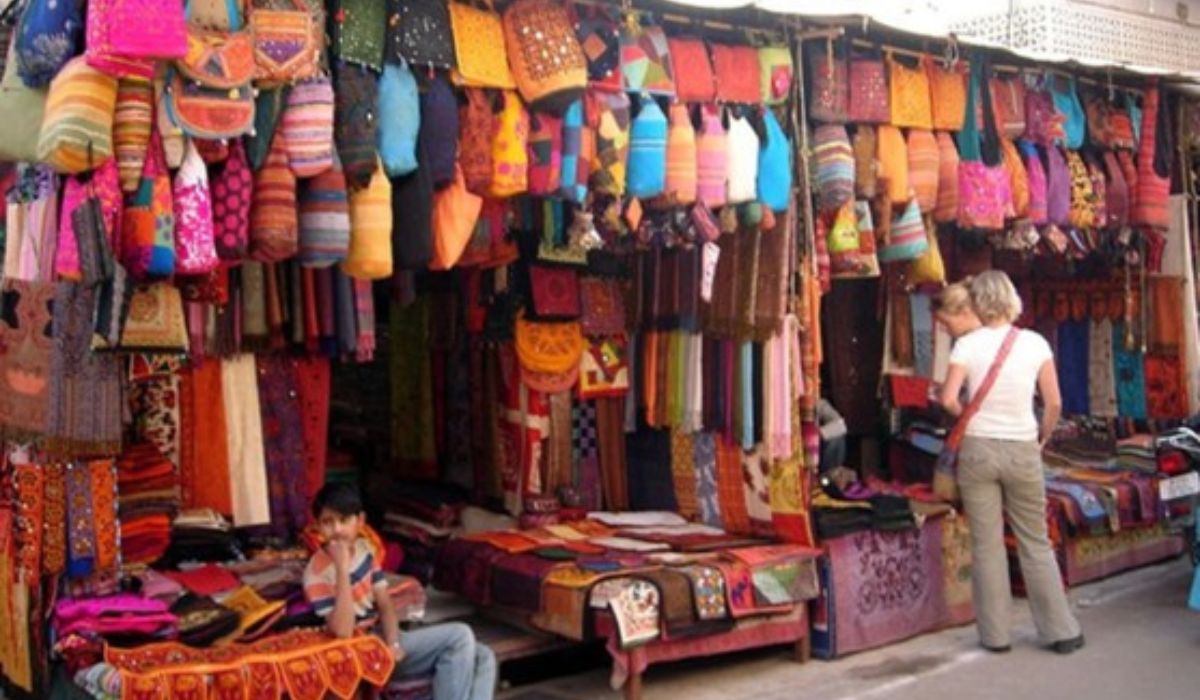
Image Source: Withlocals
The narrow bylanes of Old Delhi hide amazing food spots that many visitors miss when they stick to the usual golden triangle india tour packages. A guided food walk through this historic quarter lets travelers taste India’s diverse cuisine and experience local culture firsthand.
Old Delhi Food Walk Overview
The Old Delhi Food Walk takes you through Chandni Chowk, a market that’s been around since Shah Jahan’s time in the 17th century. This maze-like area has food spots that families have run for generations. You’ll ride rickshaws through busy lanes and stop at carefully selected vendors who maintain excellent hygiene standards.
These tours blend food tasting with visits to landmarks like the grand Jama Masjid mosque and Khari Baoli, which happens to be Asia’s largest wholesale spice market. Expert guides share stories about Old Delhi’s heritage as they lead you to hidden food spots you might never find on your own.
Why Old Delhi Food Walk is a Hidden Gem
The Old Delhi Food Walk shows you real local life, unlike regular tourist spots. This experience stands out for several good reasons:
The food tells a story that goes back centuries. You can try Delhi’s famous street foods like bedmi poori, nagori-halwa, chole bature, dahi bhalla, and sweet jalebi. Many shops have spent decades perfecting their recipes, like Lotan ke Choley Kulche with its spicy dishes.
The walk offers more than just food. Khari Baoli shows you beautiful displays of spices and teaches you about ingredients that came to India with different rulers – now these spices are key to Indian cooking. The mix of smells, colors, and tastes creates memories you won’t get from standard golden triangle tours from delhi.
Best Time to Visit Old Delhi
The lanes are quieter in the morning, which makes taking photos and walking around much easier. Evening tours show you Old Delhi’s lively side with bright lights, food smells in the air, and vendors calling out to customers.
Keep in mind that many vendors take Sundays off. The streets get really crowded during peak shopping hours and big festivals like Diwali, making it hard to move around even with expert guides.
Old Delhi Food Walk Pricing & Accessibility
Shared tours cost between ₹2,550-3,600 per person, while private tours range from ₹6,300-9,000 based on group size. These prices include all food samples and drinks – great value despite the simple surroundings.
Tours usually start from metro stations like Rajiv Chowk or Chawri Bazar and last 3-4 hours. Tour operators provide:
- Bottled water throughout the tour
- Hand sanitizer for hygiene concerns
- English-speaking professional guides
Good tour companies pick vendors based on their cleanliness and food preparation standards. This means first-time visitors can explore Old Delhi’s food scene without worry.
Amber Fort Light & Sound Show
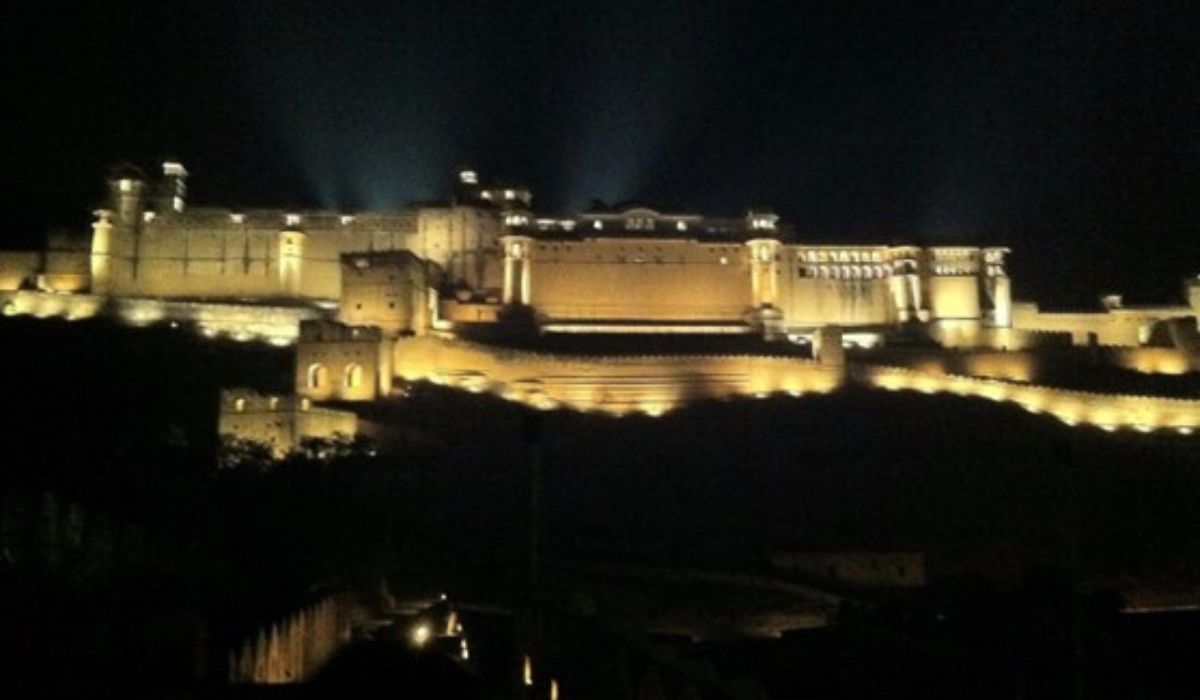
Image Source: Tripadvisor
The Amber Fort lights up against the dark sky and turns into a magical spot for travelers who want to see beyond regular India tour packages. Visitors can peek into Rajasthan’s royal history through a mix of lights, sound, and stories that come alive each evening.
Amber Fort Show Overview
The Light and Sound Show at Amber Fort takes you through 600 years of royal history at one of Rajasthan’s finest forts. This 50-minute show blends lights, music, and folk tales that bring the past to life. Bollywood legend Amitabh Bachchan narrates the show, with scripts by famous lyricist Gulzar. You can watch it in Hindi or English.
The ancient stone walls light up with colors as night falls. These lights reflect beautifully on Maota Lake, creating a magical atmosphere. You’ll hear stories about the 28 kings of the Kachwaha Dynasty who ruled from this fortress until they moved their capital to Jaipur. Traditional Rajasthani folk music plays throughout the show as tales of courage and cultural heritage unfold.
Why Amber Fort Show is a Hidden Gem
Most Delhi golden triangle tours only show you the fort during the day. Many visitors miss the amazing transformation that happens at night. The evening show reveals the fort’s character in a completely different light.
The show gives you details about local history that regular guided tours often skip. The fort’s walls come alive with lights while narrators share stories of its royal past. Architectural lighting, professional storytelling, and authentic folk music work together to help you understand Rajasthan’s cultural identity better.
This UNESCO World Heritage site creates perfect backdrop for storytelling. You can watch it all from a comfortable seating area with a great view of the lit fortress. Photography lovers will find unique shots here that aren’t possible during daylight hours.
Best Time to Visit Amber Fort
Show times change with seasons:
- October to February: 6:30 PM (English) / 7:30 PM (Hindi)
- March to April: 7:00 PM (English) / 8:00 PM (Hindi)
- May to September: 7:30 PM (English) / 8:30 PM (Hindi)
Visitors on golden triangle India tours should plan both day and evening visits. The best time to explore the fort’s interior is around 10 AM to avoid afternoon heat. You can then return for the evening show. Weather conditions are most pleasant from October through March.
Amber Fort Show Pricing & Accessibility
Tickets cost ₹250 plus 18% GST, which comes to ₹295 per person for either language. Book your tickets in advance through BookMyShow during peak tourist season. Some tour packages include the show, dinner, and transport for about USD 59 per person.
The fort sits about 11 kilometers from central Jaipur. You can reach it by taxi, auto-rickshaw, or ride-sharing services. Private vehicle parking is available 500 meters from the venue. Viewers gather at the viewing area near Kesari Kyari garden beside Maota Lake, not inside the fort.
Plan your return trip before the show ends since the area gets quite dark afterward. Good planning will help you end your golden triangle tour from Delhi with this magical experience.
Ganga Aarti Ceremony in Varanasi
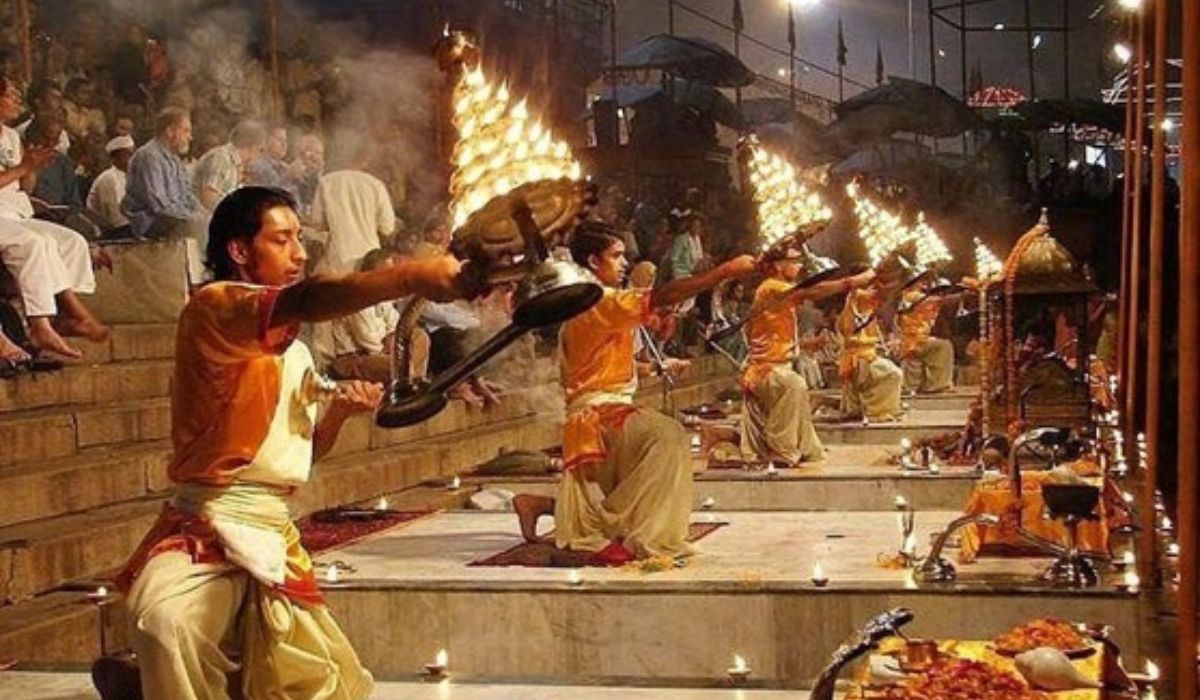
Image Source: Tripadvisor
The spiritual heart of India beats strongest during the mesmerizing Ganga Aarti ceremony in Varanasi. This sacred ritual adds an exceptional dimension to standard golden triangle tours from Delhi. Travelers get to witness the country’s spiritual heritage up close, which perfectly rounds out the architectural and culinary experiences of Delhi, Agra, and Jaipur.
Ganga Aarti Overview
Ganga Aarti stands as a devotional ceremony that happens daily to honor the River Ganges, which Hindus hold sacred as a living goddess. The ritual unfolds each evening at Dashashwamedh Ghat. Priests in traditional attire perform synchronized rituals with large brass lamps, conch shells, and rhythmic chants. The ceremony lasts 30-40 minutes and starts as the sun sets—around 6:30 PM in summer and 5:45 PM in winter.
Priests move in precise patterns and lift ornate fire lamps in sweeping clockwise motions. Bells ring while Vedic mantras fill the air. The sacred waters reflect flickering flames as darkness falls, creating an otherworldly atmosphere where time freezes. This ritual embodies gratitude to Mother Ganga for her life-sustaining powers and purifying qualities.
Why Ganga Aarti is a Hidden Gem
Ganga Aarti’s magic lies in its authentic spiritual significance beyond tourist appeal. This centuries-old tradition lives on as a genuine practice rather than a staged show for visitors. Fire, chants, music, and devotion blend into an experience that leaves a lasting impression on even the most traveled guests of golden triangle india tours.
The ceremony shows Indian spirituality from a fresh point of view that typical itineraries miss. Visitors witness raw devotion as pilgrims gather to thank the river for its blessings when the first lamps light up. The Aarti lets travelers peek into India’s spiritual core and see ancient traditions thriving in modern life.
Best Time to Visit Varanasi
The weather stays pleasant from October to March, making it the best time to watch the Ganga Aarti from the ghats. Winter months bring magical misty mornings that are perfect for sunrise boat rides alongside evening ceremonies.
These special festivals create extraordinary experiences:
- Dev Deepawali (November): Millions of diyas light up all 84 ghats in the year’s grandest Aarti
- Kartik Purnima (November): Sacred full moon celebrations feature special rituals
- Makar Sankranti (January): The city buzzes with energy as locals fly kites
Monsoon hits hard in July and August with heavy rainfall that raises water levels substantially. Ceremonies continue but many ghats become hard to reach, which takes away from the authentic experience.
Ganga Aarti Pricing & Accessibility
You can watch the Ganga Aarti without paying any entrance fee. Better viewing options come with several choices:
Boat rides on the Ganges give you a full view away from crowds. Prices run from ₹250-₹1500 based on boat size and quality. VIP seating areas near the main platform let you watch without interruption for a small management fee starting at USD 0.50.
Rooftop cafés and hotels by the ghats work great for families and older travelers who want comfort. Good spots fill up fast, so you should arrive 45-60 minutes early, especially during festivals and weekends.
A 3-5 day stay lets you catch both morning and evening ceremonies plus other spiritual sites when you add Varanasi to your golden triangle tour from Delhi. Getting to Dashashwamedh Ghat is easy by auto-rickshaw, taxi, or walking if you stay in the old city area.
Ranthambore National Park Safari
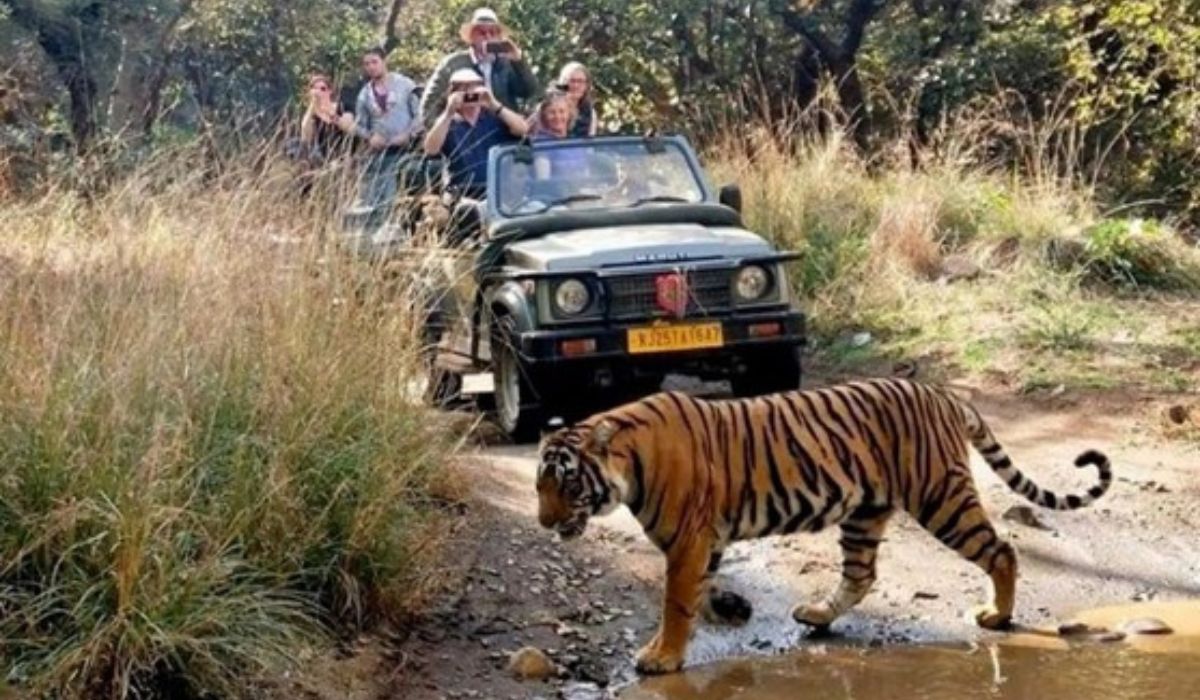
Image Source: Ranthambore National Park
Tourists who extend their golden triangle tours from Delhi will find a thrilling contrast at Ranthambore National Park. The former royal hunting grounds have now become one of India’s premier tiger sanctuaries. This remarkable wildlife reserve in Rajasthan gives visitors a genuine safari experience close to the traditional tourist circuit.
Ranthambore Safari Overview
Ranthambore National Park covers 392 square kilometers with 10 distinct safari zones. Each zone provides unique landscapes and chances to view wildlife. The park houses over 75 Bengal tigers, and about 25 of them live in areas tourists can visit. This high concentration makes Ranthambore one of the most reliable spots in India to see tigers in their natural habitat.
Safaris run twice daily from October through June. Each adventure lasts about 3.5 hours. Morning trips start around 6:30 AM, while afternoon safaris begin between 2:30-3:30 PM depending on the season. Visitors can pick between two vehicle types: smaller 6-seater Gypsy Jeeps that move easily through the terrain or 20-seater Canters that cost less for group experiences.
Why Ranthambore is a Hidden Gem
Ranthambore’s tigers show remarkable comfort around humans, unlike those in many other wildlife sanctuaries. These majestic creatures often walk near safari vehicles and bask in sunlight, undisturbed by camera clicks. The park’s landscape blends wilderness with history beautifully. Tigers regularly patrol ancient ruins, including the stunning 10th-century Ranthambore Fort.
The park stands out because visitors have a 90% chance of spotting these elusive cats with the right timing and zone selection. Beyond tigers, the park teems with leopards, sloth bears, hyenas, jackals, crocodiles, and more than 250 bird species.
Best Time to Visit Ranthambore
Winter months from October to March provide comfortable safari conditions. Temperatures range between 10°C-30°C. Tigers often bask in the sunshine during this time, creating perfect photo opportunities against the lush post-monsoon greenery.
Summer visits from April to June give you the best chance to spot tigers. The heat (up to 40°C) draws animals to water sources. Zones 3-5, with their lakes and water bodies, become popular spots where tigers come to drink.
The park’s core zones close during monsoon season (July-September). Only buffer zones 6-10 remain open.
Ranthambore Safari Pricing & Accessibility
Safari permits work on a first-come-first-served basis. Bookings open 90 days ahead. You should reserve months in advance because of high demand. April visits usually sell out by December.
Prices vary based on vehicle type and nationality:
- Gypsy Safari: ₹2,000-2,500 per person
- Canter Safari: ₹1,500-2,000 per person
The park sits about 5-6 hours from Agra, making it perfect to add to golden triangle tours. Many tour operators combine Delhi-Agra-Jaipur attractions with wildlife experiences. This makes Ranthambore a great addition to standard golden triangle tour packages from Delhi.
Holi Festival Tour Experience
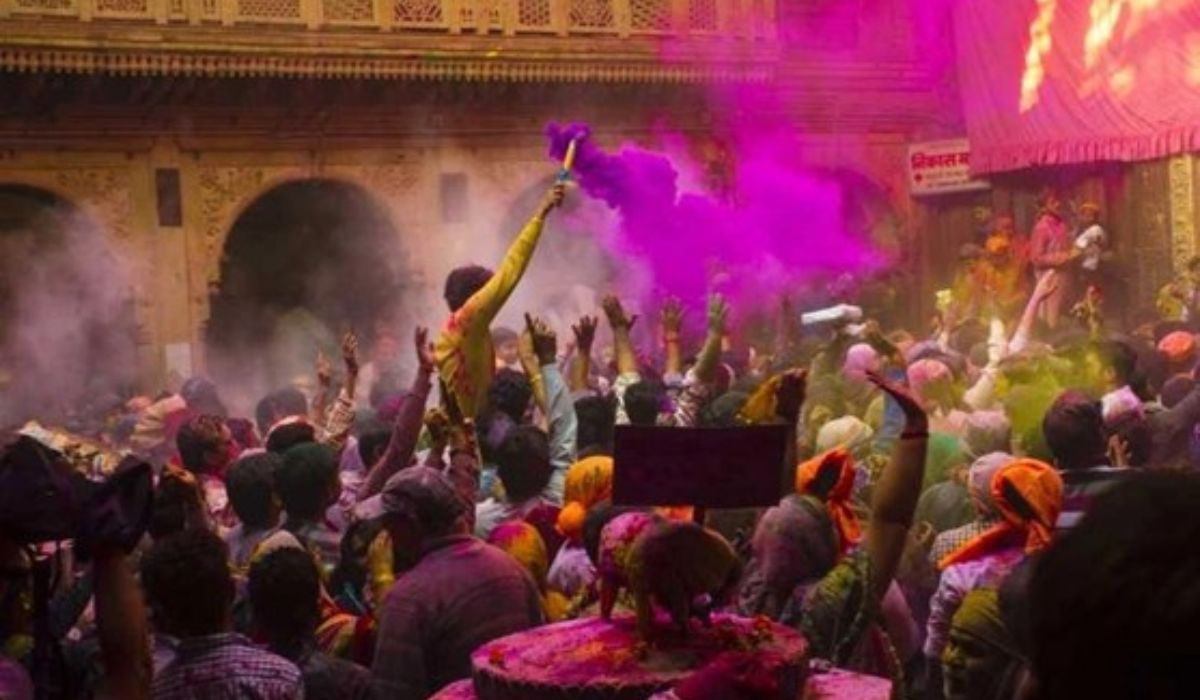
Image Source: GeTS Holidays Blog
The ancient Hindu festival of Holi changes the Golden Triangle region into a vibrant display of colors each spring. Travelers get a rare cultural experience that standard golden triangle tours from delhi can’t match. This celebration combines religious traditions with joyful festivities to create lasting memories.
Holi Festival Overview
Holi comes alive as a two-day celebration with unique elements. People gather for Holika Dahan (evening bonfires) to burn away negative energies and let go of past grievances. Streets burst with colored powders, water fights, music, and dancing during Rangwali Holi the next day. The 2026 celebration happens on March 4th, matching the full moon day of Phalguna in the Hindu lunar calendar.
This festival marks the end of winter and welcomes spring. North India celebrates with special enthusiasm. Delhi, Jaipur, and Agra—the life-blood of golden triangle india tour routes—each add their local flavor while sharing the same festive spirit.
Why Holi Festival is a Hidden Gem
Holi stands out from tourist spots as a genuine cultural experience that breaks down social barriers. People greet strangers warmly with “Happy Holi!” while applying colors. These moments create instant connections with others whatever their background.
You’ll see India’s cultural heart in ways no monument can show. Jaipur keeps its royal charm with a two-day gathering where local communities join in religious ceremonies. The nearby town of Barsana hosts the unique Lathmar Holi, where women chase men with sticks—a tradition tied to Lord Krishna’s stories.
Best Time to Experience Holi
The 2026 celebration needs you to arrive by March 2nd before the festivities start on March 3rd (Holika Dahan). The main color celebration happens on March 4th, with peak excitement in the morning hours. American spring vacation dates work perfectly with this schedule.
Holi Festival Pricing & Accessibility
Tour packages that combine Holi with golden triangle tour from delhi cost between USD 150-250 per person each day, based on where you stay. These packages include:
- Traditional festival clothes and organic colors
- Cultural shows with folk music and dance
- Safe, guided celebration environments
- Festival treats like gujiya sweets and thandai
You should book 3-4 months early since hotels fill up fast during this busy season. Tour operators provide protection from problems like crowds or bad behavior that sometimes happen at public celebrations.
Heritage Cooking Class in Jaipur
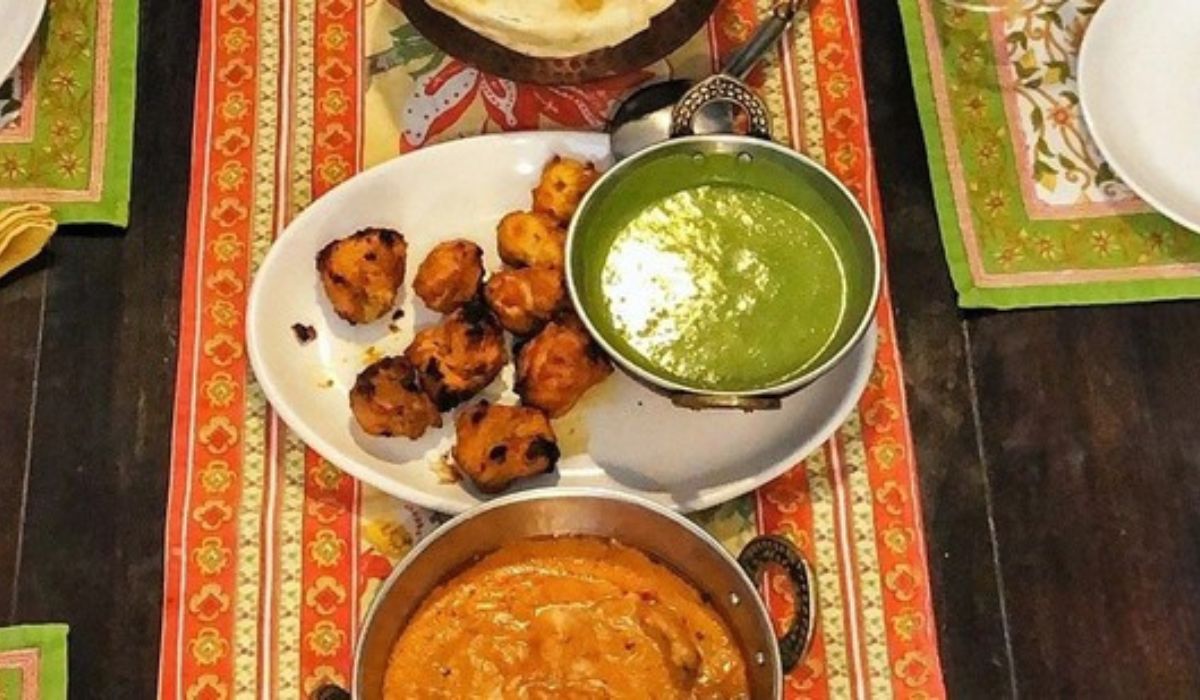
Image Source: Tripadvisor
Food lovers who venture beyond the architectural wonders of golden triangle india tour will find that Jaipur’s cooking classes provide a rich cultural immersion through its most intimate expression—food. These classes serve as a delicious alternative to traditional sightseeing.
Jaipur Cooking Class Overview
Family homes, many of them centuries-old heritage properties, host most cooking classes in Jaipur. Students start their day with a walk through vibrant bazaars filled with colorful spices and fresh produce. The host family’s cozy heritage-style house becomes a classroom where guests learn the art of Indian cooking.
Students learn authentic Rajasthani cuisine, which features desert ingredients and specialized drying techniques. The menu includes unique dishes rarely found in restaurants: soolas (charcoal grilled meat), ker sangri (beans cooked in yogurt), and bajri roti (unleavened bread made from millet). The experience culminates as participants share their creations with the host family, creating lasting bonds.
Why Jaipur Cooking Class is a Hidden Gem
These classes stand out from typical tourist activities because of their genuine cultural authenticity. A delighted traveler’s 5-star review captures the essence: “Shopping for local ingredients, then expert tuition and delicious food! Such a special time”.
Visitors learn Indian culinary traditions directly from local families in an intimate setting. Each recipe comes with its story – its historical significance, connection to festivals, and regional variations. These classes turn tourists into temporary family members rather than observers.
Best Time to Take the Class
Jaipur’s pleasant weather from October through March makes it the ideal time for these cooking classes. Classes run twice daily – lunch sessions start at 11:00 AM and dinner sessions begin at 6:00 PM.
Cooking Class Pricing & Accessibility
The cost structure varies:
- Simple cooking experiences with meals: USD 25-58 per person
- Market tours plus cooking experiences: USD 68-130 per person
Larger groups often receive discounts. The most reputable classes fill up quickly and consistently receive 5-star ratings, so booking 2-3 days ahead is recommended.
Jaipur has several highly-rated providers offering similar experiences with unique touches in menu and setting—from simple family homes to elegant heritage guesthouses. Premium packages include transportation, which fits perfectly with golden triangle tours from delhi itineraries.
Train Ride on Gatimaan Express
Image Source: Gatimaan Express Train Tours
The Gatimaan Express goes beyond basic transportation for travelers exploring the golden triangle india tour circuit. This premier rail service showcases India’s railway breakthroughs and lets passengers enjoy spectacular countryside views they would miss on the road.
Gatimaan Express Overview
India’s fastest train, the Gatimaan Express, connects Delhi and Agra in just 1 hour 40 minutes at speeds reaching 160 kilometers per hour. The train leaves Delhi’s Hazrat Nizamuddin Station at 8:10 AM daily except Fridays and reaches Agra Cantt by 9:50 AM. Return trips start from Agra at 5:50 PM, pulling into Delhi by 7:30 PM.
The fully air-conditioned train offers two seating choices: standard AC Chair Car or premium Executive Class. Both options come with comfortable seats, picture windows, and amenities you rarely find on regular trains.
Why Gatimaan Express is a Hidden Gem
Speed, comfort, and immersion in North Indian countryside make this train ride a unique experience. The train races along while offering clear views of rural landscapes and Himalayan foothills.
The onboard services lift the experience above regular travel. Passengers get complimentary breakfast during morning trips or dinner on evening returns. Executive Class travelers can choose from three upgraded meal options in both vegetarian and non-vegetarian categories.
Best Time to Ride Gatimaan
Early morning departures work best for golden triangle tours from delhi day trips. Visitors can reach the Taj Mahal before the crowds grow. A traveler shared, “November offered perfect timing with comfortable temperatures and clear views of the countryside”.
Gatimaan Express Pricing & Availability
Ticket prices vary by class:
- Chair Car: ₹755 including catering charges
- Executive Class: ₹1,495 (approximately USD 20)
Both Nizamuddin Station in Delhi and Agra Cantt are available through taxi or ride-sharing services. Tour operators usually include station transfers in their packages.
Booking opens 120 days before travel dates, and popular routes fill up quickly. In spite of that, many golden triangle tour from delhi packages come with pre-arranged tickets, so booking worries disappear.
Elephant Interaction at Amer Fort
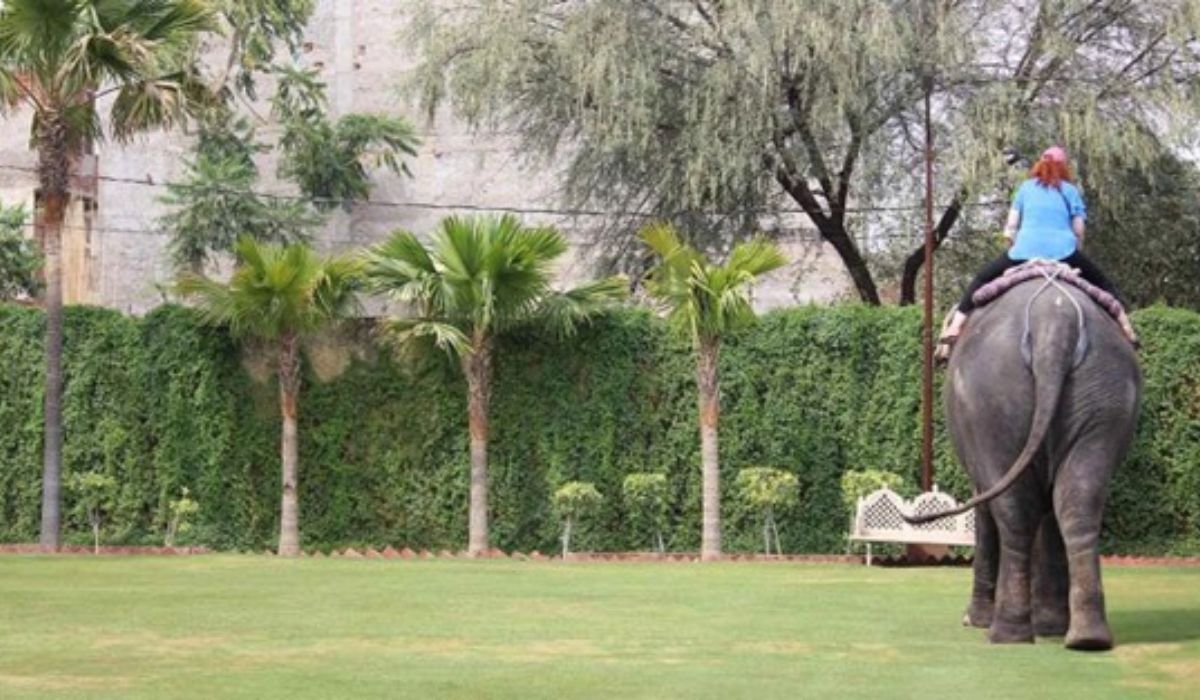
Image Source: Elejungle
Elephant rides at the majestic Amer Fort have been a royal tradition that spans centuries. These rides add memorable moments to golden triangle india tour itineraries.
Amer Fort Elephant Experience Overview
The decorated elephants take visitors from the base of Amer Fort to Suraj Pol (Sun Gate). This 20-30 minute trip comes in two options now. Visitors can choose between traditional fort rides and ethical sanctuary visits that focus on elephant welfare. The fort maintains 68 elephants that operate from 8:30 AM until noon daily. Ethical sanctuaries like Ele Experience and Dera Amer Wilderness Camp have become popular alternatives. These sanctuaries let you walk among elephants, feed them, and learn about these magnificent creatures.
Why Elephant Interaction is a Hidden Gem
These majestic creatures create emotional bonds with travelers that standard attractions can’t match. Visitors say these encounters give them unique photo opportunities and special memories beyond typical golden triangle tours from delhi. The experience connects you to ancient royal traditions where elephants symbolized power and royal prestige.
Best Time to Visit Amer Fort
The weather suits elephant experiences best from October through March. The ideal time falls between 8:00-10:00 AM when temperatures stay comfortable and elephants remain fresh.
Elephant Experience Pricing & Accessibility
Traditional elephant rides cost ₹2,500 for two people in 2025, with 5% yearly price increases. Ethical sanctuary visits range from ₹1,500 to ₹3,500, depending on your chosen activities. You should book ahead, especially during peak tourist season.
Comparison Table
| Attraction | Location | Duration | Best Time to Visit | Price Range (2026) | Key Features | Booking Requirements |
| Old Delhi Food Walk | Chandni Chowk, Delhi | 3-4 hours | Morning or evening (avoid Sundays) | ₹2,550-9,000 | Street food tastings, spice market visits, rickshaw rides | Book ahead recommended |
| Amber Fort Light & Sound Show | Jaipur | 50 minutes | Oct-Mar | ₹295 per person | Narrated by Amitabh Bachchan, available in Hindi/English | Book ahead during peak season |
| Ganga Aarti Ceremony | Dashashwamedh Ghat, Varanasi | 30-40 minutes | Oct-Mar | Free-₹1,500 | Sacred ritual, boat viewing options, spiritual experience | No booking needed for general view |
| Ranthambore Safari | Ranthambore National Park | 3.5 hours | Oct-Mar (winter), Apr-Jun (tiger sighting) | ₹1,500-2,500 | Tiger spotting, wildlife viewing, historic ruins | Book 90 days ahead |
| Holi Festival Tour | Delhi-Agra-Jaipur region | 2 days | March (March 3-4, 2026) | USD 150-250 per day | Local celebrations, cultural shows, festival foods | Book 3-4 months ahead |
| Heritage Cooking Class | Jaipur | 2-3 hours | Oct-Mar | USD 25-130 | Market visits, hands-on cooking, family meal experience | Book 2-3 days ahead |
| Gatimaan Express | Delhi-Agra route | 1h 40min | Morning departure | ₹755-1,495 | India’s fastest train, meals included, rural views | Book 120 days ahead |
| Elephant Interaction | Amer Fort, Jaipur | 20-30 minutes | Oct-Mar (8-10 AM) | ₹2,500 per ride | Elephant rides, sanctuary visits available | Book ahead recommended |
Conclusion
Eight hidden gems turn standard Golden Triangle tours into extraordinary experiences through Northern India’s cultural heart. Travelers get a chance to go beyond famous landmarks and build authentic connections with local traditions, cuisine, wildlife, and spiritual practices.
The Old Delhi Food Walk lets visitors taste centuries of culinary development. History comes alive against the night sky at the Amber Fort Light & Sound Show. Spiritual India reveals itself most deeply at the Ganga Aarti Ceremony. Ranthambore safaris show wilderness thriving next to ancient ruins.
The vibrant Holi Festival breaks down social barriers between visitors and locals naturally. Heritage cooking classes build meaningful cultural bonds through shared meals. Rural landscapes unfold beautifully on the Gatimaan Express – views you might miss by road. Ethical elephant encounters connect visitors with majestic creatures and royal traditions.
Smart travelers know these experiences need minimal extra planning but give maximum cultural immersion. Most hidden gems stay available year-round. The weather works best from October through March at all destinations.
You should book ahead, especially for specialized experiences like Ranthambore safaris and festival tours in peak seasons. Many good tour operators now include these options in customized plans, which makes exceptional experiences easy to arrange.
Golden Triangle tours have earned their reputation as essential Indian experiences. All the same, these hidden gems raise standard itineraries into life-changing adventures. Visitors go home with more than just monument photos – they carry India’s flavors, traditions, wildlife, and its people’s warm welcome in their memories.
Key Takeaways
Beyond the iconic monuments of Delhi, Agra, and Jaipur, the Golden Triangle region offers extraordinary hidden experiences that transform standard tours into authentic cultural journeys.
- Book specialized experiences 90-120 days ahead – Popular activities like Ranthambore safaris and Holi festival tours fill quickly during peak seasons
- October to March provides optimal weather for most hidden gems, offering comfortable temperatures for food walks, cooking classes, and wildlife safaris
- Combine spiritual and culinary experiences – Old Delhi food walks and Ganga Aarti ceremonies reveal India’s authentic cultural soul beyond tourist attractions
- Wildlife safaris offer 90% tiger sighting probability at Ranthambore when visiting during summer months (April-June) near water sources
- Evening experiences unlock magical transformations – Amber Fort’s light show and Ganga Aarti ceremonies showcase completely different atmospheres than daytime visits
These carefully selected local expert picks for 2026 add profound cultural depth to traditional Golden Triangle itineraries, creating meaningful connections with India’s living traditions, cuisine, and wildlife that standard monument tours simply cannot provide.
FAQs
Q1. What is the best time to visit the Golden Triangle in India? The best time to visit the Golden Triangle (Delhi, Agra, Jaipur) is from October to March. This period offers pleasant weather conditions, making it ideal for outdoor activities and sightseeing. The temperatures are comfortable, and there’s minimal rainfall, allowing for a more enjoyable experience at attractions like the Taj Mahal and Amber Fort.
Q2. How long does a typical Golden Triangle tour take? A standard Golden Triangle tour typically takes 4-6 days. This duration allows visitors to explore the main attractions in Delhi, Agra, and Jaipur without feeling rushed. However, if you want to include some of the hidden gems mentioned, like the Ranthambore safari or a cooking class in Jaipur, consider extending your trip to 7-10 days for a more immersive experience.
Q3. Is it safe to eat street food during the Old Delhi Food Walk? Yes, it can be safe to eat street food during an organized Old Delhi Food Walk. Reputable tour operators carefully select vendors based on hygiene standards and food quality. They often provide hand sanitizers and bottled water throughout the journey. However, if you have concerns, opt for cooked foods and avoid raw items or tap water to minimize any risks.
Q4. How far in advance should I book activities like the Ranthambore safari? For popular activities like the Ranthambore safari, it’s recommended to book at least 90 days in advance, especially during peak tourist seasons. Safari permits operate on a first-come-first-served basis and can be booked up to 90 days ahead. This is particularly important for visits in April, which typically sell out by December of the previous year.
Q5. Are there alternatives to elephant rides at Amer Fort? Yes, there are ethical alternatives to traditional elephant rides at Amer Fort. Several sanctuaries like Ele Experience and Dera Amer Wilderness Camp offer more animal-friendly interactions. These experiences include walking alongside elephants, feeding opportunities, and educational interactions that focus on elephant welfare. These alternatives provide a more responsible way to engage with these majestic creatures while still enjoying a memorable experience.
Subscribe to Our Newsletter for Exclusive Travel Offers!