Why The Golden Triangle India Tour Should Be Your First Trip to India
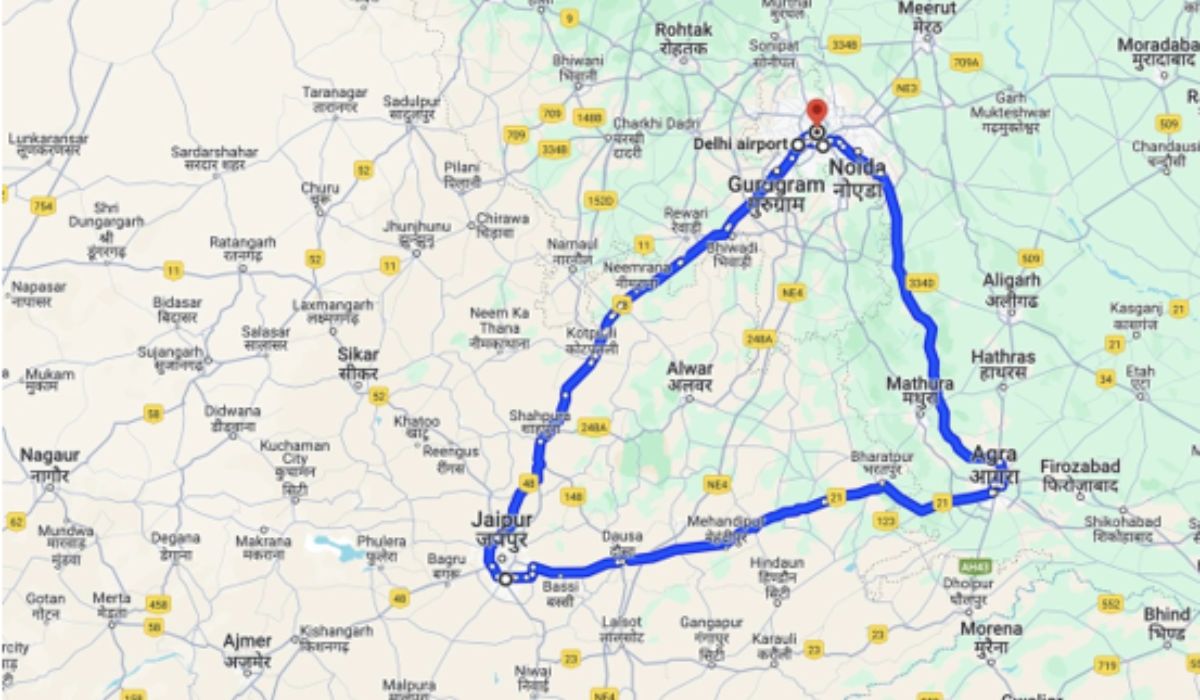
The Golden Triangle tour in India connects three iconic cities that create a triangle on the map. This popular route gives travelers their first taste of India’s rich cultural heritage. The tour covers about 720 kilometers by road and links Delhi, Agra, and Jaipur—each city shows a unique side of India’s culture.
Yes, it is no surprise that first-time visitors to India pick the Golden Triangle, and with good reason too. The route shows off the country’s varied landscapes in a way that’s easy for newcomers to handle. The distances make perfect sense – it’s 233 km from Delhi to Agra, 237 km from Agra to Jaipur, and 273 km back to Delhi. You can experience three different regions without any complicated planning. On top of that, the route includes the stunning Taj Mahal, which draws more than seven million visitors each year, among other amazing architectural sites.
The time needed to explore the Golden Triangle ranges from three to seven days, but a week is the sweet spot. The best time to start your trip is during October-November or February-March when the weather stays mild. You should skip the months from April through September since temperatures can hit a scorching 40°C (104°F).
This piece will walk you through all the essential details about the Indian Golden Triangle—from must-see spots to practical tips—and show you why this trip should be your gateway to India.
What to Expect from the Indian Golden Triangle
A Golden Triangle India tour lets you take a closer look at northern India’s most captivating destinations. This complete sensory experience stands apart from any other travel destination on earth.
Cultural diversity across three cities
The Golden Triangle showcases India’s rich cultural mosaic through three unique urban environments. Delhi creates an interesting mix of old and new where ancient Mughal monuments exist next to colonial architecture and modern developments. Agra grew as the Mughal Empire’s capital and became a vibrant center of art, architecture, and culture. The “Pink City” of Jaipur, named for its trademark red-washed buildings, represents the royal Rajput traditions. The city’s blend of tradition and modernity led to its recognition as a UNESCO World Heritage Site in 2019.
Architectural wonders and UNESCO sites
The Golden Triangle tour features an impressive collection of UNESCO World Heritage Sites. Delhi’s treasures include the magnificent Red Fort, the towering Qutub Minar at nearly 240 feet tall, and Humayun’s Tomb—which inspired the Taj Mahal’s design. Agra showcases three UNESCO sites: the incomparable Taj Mahal (described by poet Rabindranath Tagore as a “teardrop on the cheek of time”), the massive red sandstone Agra Fort, and the abandoned city of Fatehpur Sikri. Jaipur adds to this architectural wealth with the Amber Fort, Jantar Mantar astronomical observatory, and the entire Walled City—each recognized for exceptional cultural significance.
Sensory overload: sounds, smells, and colors
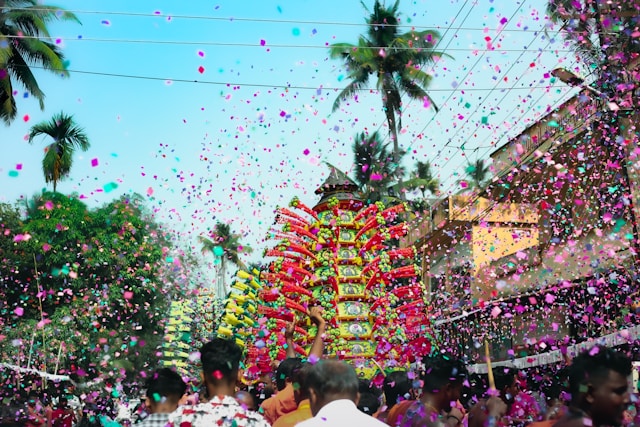
Newcomers should know that India overwhelms the senses. The experience demands full immersion rather than careful exploration. A walk through Old Delhi’s Chandni Chowk market surrounds you with:
- Smells – spices, incense, and street food sizzling on open flames
- Sounds – constant blare of horns, vendors shouting, and music drifting from temples
- Sights – vibrantly colored saris, towering mosques, and cows walking through traffic
The journey presents striking contrasts—opulence next to poverty, ancient history beside modern development. The Indian Golden Triangle offers sensory experiences that you can’t truly understand until you’re there. One traveler put it best: “If India had a theme tune it would most definitely be the sound of hooting, tooting traffic!”
Top Highlights of the Golden Triangle Tour India
The stunning monuments of India’s Golden Triangle provide evidence of royal patronage and artistic excellence spanning centuries. These architectural treasures embody India’s rich cultural heritage and draw countless travelers to explore this famous route.
Taj Mahal and Agra Fort
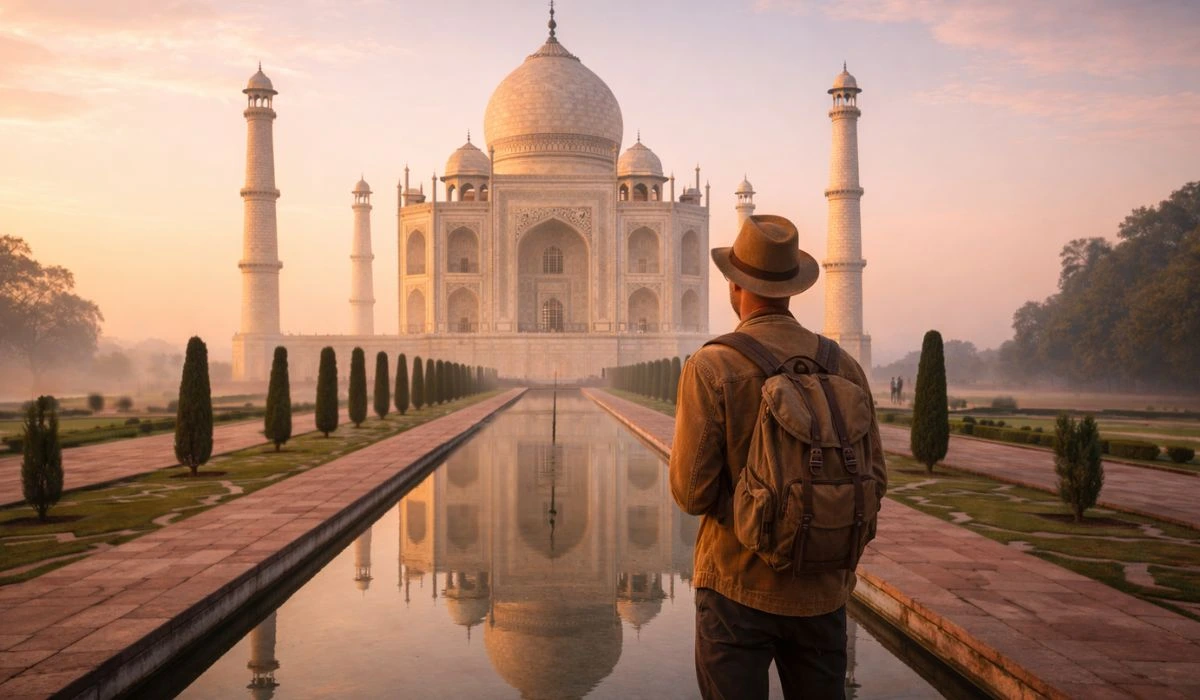
The Taj Mahal, a UNESCO World Heritage site, stands as the crowning achievement of Mughal architecture with its flawless symmetrical design. Emperor Shah Jahan built this white marble masterpiece between 1631-1648 to honor his beloved wife Mumtaz Mahal. The structure features elegant octagonal chambers, detailed inlay work with precious stones, and four distinctive minarets that create depth and dimension. Agra Fort lies just 2 kilometers away, where Shah Jahan’s son imprisoned him for his final eight years. The aging emperor would spend his days gazing at the Taj Mahal across the Yamuna River.
Amber Fort and Hawa Mahal in Jaipur
The magnificent 16th-century Amber Fort (also spelled Amer) rises above a ridge near Jaipur. Raja Man Singh I commissioned this imposing structure in 1592. Its lavish halls, courtyards and private apartments showcase a remarkable fusion of Hindu and Mughal architectural styles. Jaipur’s famous Hawa Mahal (Palace of Breeze) draws equal attention with its five-story façade of red and pink sandstone that once served as a royal viewing gallery.
Red Fort and Humayun’s Tomb in Delhi
Shah Jahan built Delhi’s Red Fort in 1639, which served as the Mughal emperors’ residence for almost 200 years. The nearby Humayun’s Tomb, built in the 1560s during Emperor Akbar’s reign, marked an architectural milestone. This garden-tomb introduced design elements that would later reach their peak in the Taj Mahal.
Fatehpur Sikri and Chand Baori stepwell
Emperor Akbar founded the now-abandoned Mughal city of Fatehpur Sikri in 1569. The incredible Chand Baori stepwell in Rajasthan’s Abhaneri village showcases engineering brilliance from over a thousand years ago. Its hypnotic geometric pattern of stairs makes it one of the world’s largest stepwells.
Practical Travel Guide for First-Time Visitors
Planning your Golden Triangle tour doesn’t have to be complicated. Here’s what you need to know to make your Indian adventure safe, comfortable, and memorable.
How many days you need
The ideal time for a Golden Triangle India tour ranges from 5 to 7 days. This gives you enough time to explore each city without rushing. You can squeeze the tour into 3 days, but the pace becomes hectic and suits only those with tight schedules. New visitors should stick to this compact circuit rather than trying to see all of India. A 5-day trip hits the sweet spot between seeing everything and staying comfortable.
Best time of year to go
The Golden Triangle shines brightest from October to March. Daytime temperatures stay pleasant between 10°C and 27°C. Tourist numbers peak during these months, which means bigger crowds and steeper prices. Summer months from April to June bring scorching heat that can top 40°C, but you’ll find fewer tourists at major sites. The monsoon season runs from July through September. It turns the landscape green and lush but brings rain showers and sticky weather.
Train vs. private driver vs. group tour
Foreign travelers usually pick private cars with professional drivers. This choice lets you stop freely at villages, stepwells, and craft shops along your journey. Trains offer a different experience with their cultural charm and scenic routes, especially in premium coaches like Shatabdi Express. Small groups of 8-12 travelers make it easier to get around packed attractions like the Taj Mahal. Road travel times run about 3-3.5 hours from Delhi to Agra, 4-4.5 hours from Agra to Jaipur, and 4.5-5 hours from Jaipur back to Delhi.
Packing essentials and health tips
Your suitcase should have light, breathable clothes for summer and warmer layers for chilly winter nights. Temples require modest dress that covers shoulders and knees. Health must-haves include sunscreen, DEET insect repellent, hand sanitizer, and basic medicines. Stay healthy by drinking bottled water (check for the “crack” sound when opening). Food safety means being careful with street food and picking fresh-cooked meals from trusted places. Your doctor might recommend malaria prevention depending on your travel plans. A small daypack works great for carrying essentials while sightseeing.
Why This Should Be Your First Trip to India
The Golden Triangle tour offers a perfect starting point to explore India for travelers who want to discover this diverse nation.
Balanced mix of chaos and comfort
The Golden Triangle perfectly blends authentic cultural immersion with organized structure. Travelers can enjoy India’s sensory richness along with modern amenities, comfortable hotels, and guided tour packages that make the circuit easy to navigate. This setup lets visitors enjoy India’s vibrant energy without feeling overwhelmed.
Safe and tourist-friendly environment
Safety is a top priority for first-time visitors choosing their destination. The major tourist hubs – Delhi, Agra, and Jaipur have reliable tourism infrastructure, high security in public areas, dedicated tourist police, and good transportation networks. Each year, millions of international tourists, including Americans, safely explore the Golden Triangle of India.
Gateway to deeper India travel
The Golden Triangle tour showcases different aspects of India – Delhi reveals political and modern India, Agra displays Mughal heritage, and Jaipur presents royal Rajasthani traditions. This diversity helps visitors understand Indian culture’s interconnected elements in a coherent way.
Confidence-building for future trips
This well-laid-out introduction gives travelers the confidence they need to explore independently. The original experience creates the perfect foundation to start more adventurous journeys across the subcontinent.
Conclusion
The Indian Golden Triangle stands out as the perfect introduction to India’s rich cultural heritage. First-time visitors get an exceptional mix of historic wonders, architectural marvels, and sensory experiences through Delhi, Agra, and Jaipur. This route captures India’s spirit perfectly without overwhelming new travelers.
Getting around the Golden Triangle is easier than other Indian regions, even with its occasional challenges. Most travelers find 5-7 days hits the sweet spot between detailed exploration and relaxed pacing. The circuit works like a living museum that showcases India’s most important historical eras, from Mughal magnificence to Rajput glory.
The weather plays a big role in trip planning. You’ll find the best conditions from October through March, while summer travelers just need extra preparation for the heat. Whatever time you pick, be ready to jump right into the experience rather than watching from afar.
The region’s 30-year-old tourism setup really helps first-time visitors. UNESCO World Heritage Sites, good hotels, and transport options let travelers experience authentic India with the right amount of guidance. This well-laid-out introduction builds confidence to explore more of the subcontinent later.
The Golden Triangle ended up being much more than a tourist route – it opens the door to understanding India’s complex cultural mix. People who take this journey come back with more than just photos of famous monuments. They carry lasting memories of a place where old traditions and modern life blend in the sort of way I love. The Golden Triangle remains the best starting point to anyone thinking about their first Indian adventure.
Key Takeaways
The Golden Triangle India tour offers first-time visitors the perfect introduction to India’s rich cultural heritage through three iconic cities that showcase the country’s diverse architectural and historical treasures.
- Plan 5-7 days for optimal experience – This duration allows thorough exploration of Delhi, Agra, and Jaipur without feeling rushed or overwhelmed.
- Visit October-March for best weather conditions – Temperatures range 10-27°C during peak season, avoiding summer’s extreme 40°C heat.
- Choose private driver for maximum flexibility – Offers stops at villages and craft shops while providing comfort and cultural immersion opportunities.
- Expect sensory overload as part of the experience – Prepare for vibrant colors, aromatic spices, constant sounds, and fascinating cultural contrasts.
- Use as confidence-building gateway to deeper India travel – The structured tourism infrastructure and safety measures make it ideal for building travel confidence.
The Golden Triangle serves as more than just a tourist circuit—it’s a carefully curated introduction that balances authentic cultural immersion with necessary comfort and structure. This journey through UNESCO World Heritage Sites and royal palaces provides the perfect foundation for understanding India’s complex cultural tapestry before venturing into more independent explorations across the subcontinent.
FAQs
Q1. What makes the Golden Triangle tour ideal for first-time visitors to India? The Golden Triangle tour offers a perfect introduction to India’s rich cultural heritage by covering three iconic cities – Delhi, Agra, and Jaipur. It provides a balanced mix of historical sites, architectural wonders, and cultural experiences, all within a manageable itinerary for newcomers.
Q2. How many days are recommended for the Golden Triangle tour? A 5 to 7-day itinerary is ideal for the Golden Triangle tour. This duration allows visitors to explore each city thoroughly without feeling rushed, while still providing a comprehensive glimpse into India’s history, architecture, and culture.
Q3. What is the best time of year to visit the Golden Triangle? The best time to visit the Golden Triangle is between October and March when the weather is pleasant, with temperatures ranging from 10°C to 27°C. This period offers comfortable conditions for sightseeing and exploring outdoor attractions.
Q4. What are some must-see attractions on the Golden Triangle tour? Key attractions include the Taj Mahal and Agra Fort in Agra, the Amber Fort and Hawa Mahal in Jaipur, and the Red Fort and Humayun’s Tomb in Delhi. These sites showcase the region’s rich Mughal and Rajput heritage.
Q5. How should first-time visitors prepare for their Golden Triangle trip? Visitors should pack lightweight, breathable clothing and modest attire for temple visits. It’s advisable to carry essentials like sunscreen, insect repellent, and hand sanitizer. Drinking only bottled water and being cautious with street food can help avoid health issues. Consider hiring guides at major sites for a deeper understanding of the history and culture.
Subscribe to Our Newsletter for Exclusive Travel Offers!