India Golden Triangle: The Secret Guide Only Locals Know About
The majestic Taj Mahal draws over seven million tourists annually, making it the crown jewel of India’s Golden Triangle that attracts millions of visitors each year. Standard tours barely scratch the surface of the exceptional experiences that locals cherish and know best.
Delhi, Agra, and Jaipur form a triangular shape on the map, giving this iconic route its name. These three cities span roughly 720 kilometers and showcase a mixture of India’s historical development. The standard tourist packages miss the authentic charm that lies beyond their polished brochures and fixed schedules.
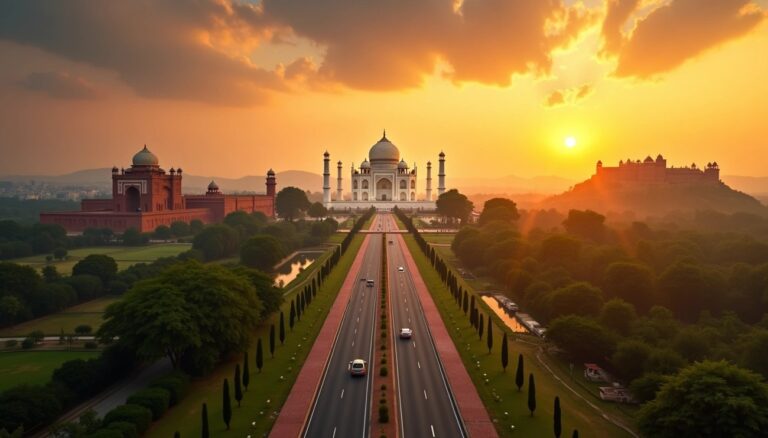
The Taj Mahal stands as India’s most visited monument and the Golden Triangle’s centerpiece. This architectural marvel took 22 years to build, with 20,000 workers bringing Mughal Emperor Shahjahan’s vision to life in the 16th century. Tourists rush to snap the perfect sunrise photo, but locals know these three magnificent cities offer so much more to explore.
The Golden Triangle presents countless opportunities to explore beyond tourist hotspots. Local guidance is a great way to get insights into hidden gems, secret spots, and cultural experiences that typical tours skip. This piece reveals local secrets about embracing Delhi’s chaotic charm, seeing Agra beyond the Taj, and exploring Jaipur’s lesser-known wonders.
The Real Golden Triangle Experience: What Locals Love
The Golden Triangle region offers much more than its famous monuments. Local residents experience their homeland through deep connections that most tourists miss. Their perspective reveals an entirely different side of this historic circuit.
How locals travel the route
Locals take a more relaxed approach to the Golden Triangle, unlike tourists who rush between landmarks. They often mix different ways to get around, balancing convenience with experience. Delhi residents prefer the Gatimaan Express or Shatabdi Express trains to reach Agra. These options provide both speed and value for money. The stretch from Agra to Jaipur sees local families usually hiring private cars (5,000-6,000 INR per day). This allows them to stop at hidden treasures like Fatehpur Sikri. Local knowledge suggests early morning departures help dodge traffic and the midday heat on this 720-kilometer circuit.
Cultural nuances in each city
Each city in the Golden Triangle has its own unique cultural identity that locals understand naturally. Delhi residents begin their day with peaceful walks through Lodhi Gardens before crowds show up. They value direct communication—a trait visitors often misread. Agra’s residents take great pride in their craft heritage, especially the centuries-old art of marble inlaying that makes the Taj Mahal so special. The people of Jaipur honor their royal legacy through daily customs, and they prefer visiting quieter temples instead of tourist hotspots.
Festivals and events to plan around
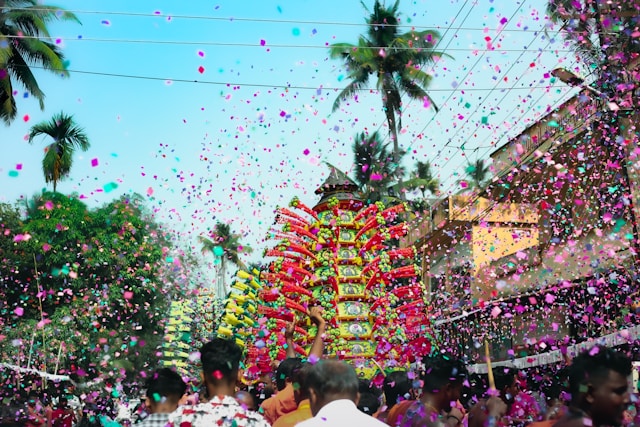
Locals time their regional travels around the area’s rich festival calendar. Delhi’s Republic Day Parade (January 26th) stands as one of India’s most spectacular national celebrations. The event showcases military might and cultural diversity. The ten-day Taj Mahotsav near the Taj Mahal brightens up February with traditional arts, crafts, music, and glimpses of Mughal splendor. Jaipur hosts the acclaimed Literature Festival in January, which draws global writers and thinkers. People know it as “the Greatest Literary Show on Earth”. The authentic Teej Festival (July-August) sees women in traditional clothes and decorated swings throughout the Pink City.
October through March offers the best time to experience these cultural treasures. The daytime temperatures stay pleasant in the 20s (°C). This period includes major celebrations like Diwali (October/November) and the vibrant Holi festival (February/March).
Delhi’s Hidden Corners and Local Life
Delhi shows its authentic self beyond the tourist hotspots and popular monuments on typical India golden triangle tours. The capital reveals a different character to its residents – quiet corners, hidden food gems, and cultural spots you won’t find in regular guidebooks.
Morning walks in Lodhi Garden
Lodhi Garden becomes a peaceful haven in the early morning hours. The locals start arriving by 6 AM to practice yoga under centuries-old tombs or join community exercise groups near the Bada Gumbad. This 90-acre space houses monuments from the 15th and 16th centuries that create a perfect backdrop for morning activities. Regular visitors know the unspoken rules of the garden. Serious joggers take the northwestern path, people meditate in the eastern sections, and social groups gather on the central lawns after 8 AM. The garden springs to life as chai vendors set up their small stalls.
Street food lanes only locals know
Delhi natives skip Chandni Chowk and head to hidden food spots instead. Bhalla Papdi Corner in Amar Colony Market serves some of Delhi’s finest chaat since 1970, yet most golden triangle tours miss it. CR Park Market stands out with Bengali street food stalls that serve authentic puchkas and ghugni unlike any other place in the city. Majnu ka Tilla, a Tibetan refugee colony, deserves a visit. Local families here serve homemade thukpa and momos at prices that are half of what tourists pay at other places.
Colonial-era cafes and bookstores
Delhi’s intellectual spirit lives on in century-old establishments that package tours often overlook. United Coffee House in Connaught Place has been a hub of political discussions since 1942. The place keeps its original décor and serves the same signature cinnamon coffee through generations. Book enthusiasts gather at Delhi’s oldest surviving bookstore, Faqir Chand & Sons in Khan Market. The owner still personally suggests books based on readers’ moods. These places preserve their colonial charm through architecture and ambiance, offering genuine glimpses into Delhi’s heritage that shaped modern Indian identity.
Agra’s Untold Stories
The typical india golden triangle tourist rushes through Agra and sees only the Taj Mahal. Local residents know their city holds so much more – from hidden historical treasures to authentic cultural experiences beyond this marble wonder.
The lesser-known tombs and gardens
Agra’s architectural gems sit quietly away from the tourist crowds, and locals treasure these spots for their peace and quiet. The Mughal garden Mehtab Bagh stands directly across the Yamuna River and locals say it offers the best sunset views of the Taj Mahal. The “Baby Taj” – Itimad-ud-Daulah’s Tomb – shows off marble inlay work that many locals think surpasses the Taj’s craftsmanship. There’s another reason to visit Ram Bagh, India’s oldest Mughal garden. Families love to gather here for weekend picnics among 16th-century pavilions and flowing water channels.
Local legends around the Taj Mahal
Agra’s residents share fascinating stories about their city’s crown jewel that you won’t find in typical golden triangle india guides. The locals believe Emperor Shah Jahan wanted to build a mirror-image Black Taj across the river as his own mausoleum. The symmetrical layout of the gardens supports this theory. A tale passed down through generations suggests the emperor had the craftsmen’s thumbs cut off after completion. This would ensure they could never recreate such beauty elsewhere. While historians dispute these claims, these stories remain vital to Agra’s oral tradition.
Where locals eat in Agra
The real taste of Agra lies beyond tourist restaurants. Locals start their day at Deviram’s near Belanganj, famous for jalebis and samosas made the same way for over 60 years. Sadar Bazaar’s narrow lanes hide the city’s best local spots. Ram Babu Parathe Wale stands out as a family-run place that has mastered stuffed parathas over generations. Your golden triangle of india experience must include petha (a translucent candy) from Panchhi Petha. Locals swear this small shop makes the only genuine version of this Agra specialty.
Jaipur’s Offbeat Wonders
The last stop on the India golden triangle circuit shows its true colors through hidden paths and real cultural experiences that package tours usually skip. You’ll find Jaipur’s soul in places where tourists rarely go. These spots gave an explanation of age-old traditions that proud Rajasthani residents managed to keep alive.
Secret alleys of the Pink City
Jaipur’s main streets hide networks of narrow lanes where local life goes on untouched by tourism. Near Johari Bazaar, silversmiths in Chandi Ki Taksal gali practice their craft using techniques that haven’t changed for centuries. Early mornings bring elderly men to Modikhana’s hidden squares. They play traditional chess and talk about city politics. Most golden triangle India travelers miss Thatheron Ka Rasta. Here, copper artisans hammer vessels into shape surrounded by buildings with fading haveli frescoes that tell Jaipur’s merchant history.
Local artisans and their workshops
Real craftsmanship runs on family workshops, unlike the commercial emporiums you see on India golden triangle tours. Blue pottery makers work through generations in small studios around Kripal Kumbh Art. Visitors can watch everything from clay mixing to firing. The Nila family’s bangle workshop near Tripolia Gate still uses traditional lac melting techniques. They create bangles worn in traditional Rajasthani weddings. These artisans show you creative processes that standard golden triangle of India itineraries rarely include.
Evening aarti at lesser-known temples
Local worshippers gather at small temples when sunset comes – places that mainstream golden triangle in India experiences often miss. Inside Amber Fort, the evening aarti at Shila Devi Temple features unique Rajput ceremonies. Priest families have performed these rituals since the temple’s founding. The most spiritual moments happen at Galtaji Temple. Evening prayers mix with natural springs in a dramatic hillside setting that locals call Jaipur’s spiritual heart.
Best local homes
Heritage homes let you experience real Rajasthani hospitality as residents welcome travelers into their family compounds. These historical havelis offer genuine cultural connections through home-cooked meals. Families share personal stories about pink city life that go deeper than tourist tales from typical India golden triangle tour packages.
Key Takeaways
Discover the authentic Golden Triangle experience that goes far beyond standard tourist itineraries, revealing hidden gems and local secrets across Delhi, Agra, and Jaipur.
- Travel like locals do: Use trains between cities, hire private cars for flexibility, and start early mornings to avoid crowds and heat while exploring the 720-kilometer circuit.
- Explore hidden Delhi gems: Visit Lodhi Garden at 6 AM for peaceful walks, discover authentic street food in Amar Colony Market, and experience colonial-era cafes like United Coffee House.
- Uncover Agra beyond the Taj: Experience sunset views from Mehtab Bagh, explore the “Baby Taj” (Itimad-ud-Daulah’s Tomb), and taste authentic petha from local shops in Sadar Bazaar.
- Find Jaipur’s secret soul: Wander through hidden artisan alleys like Chandi Ki Taksal, visit family workshops for authentic blue pottery, and attend evening aarti at lesser-known temples.
- Time your visit strategically: Plan around major festivals like Taj Mahotsav (February) and Jaipur Literature Festival (January) for authentic cultural immersion during optimal weather months (October-March).
The real Golden Triangle reveals itself through local connections, authentic experiences, and cultural insights that transform a typical sightseeing trip into a meaningful journey through India’s living heritage.
FAQs
Q1. What is the best time to visit India’s Golden Triangle?
The optimal time to visit the Golden Triangle is between October and March. During these months, daytime temperatures are pleasant (around 20°C), and you can experience major festivals like Diwali and Holi.
Q2. How do locals typically travel between the Golden Triangle cities?
Locals often use a combination of transportation methods. For Delhi to Agra, many prefer trains like the Gatimaan Express. For Agra to Jaipur, private cars are popular, allowing stops at places like Fatehpur Sikri. Early morning departures are favored to avoid traffic and heat.
Q3. Are there any lesser-known attractions in Agra besides the Taj Mahal?
Yes, Agra has several hidden gems. Mehtab Bagh offers stunning sunset views of the Taj Mahal, while Itimad-ud-Daulah’s Tomb (known as the “Baby Taj”) features intricate marble inlay work. Ram Bagh, India’s oldest Mughal garden, is another peaceful retreat loved by locals.
Q4. Where can I experience authentic local cuisine in Delhi?
For authentic Delhi street food, locals recommend Amar Colony Market in South Delhi, particularly Bhalla Papdi Corner. CR Park Market offers excellent Bengali street food, while Majnu ka Tilla is known for authentic Tibetan cuisine at affordable prices.
Q5. How can I experience Jaipur beyond the typical tourist attractions?
To experience Jaipur like a local, explore the hidden alleys of the Pink City such as Chandi Ki Taksal gali for traditional silversmiths. Visit family-run artisan workshops, like those creating blue pottery near Kripal Kumbh Art. In the evening, attend aarti ceremonies at lesser-known temples like Shila Devi Temple inside Amber Fort.
Subscribe to Our Newsletter for Exclusive Travel Offers!