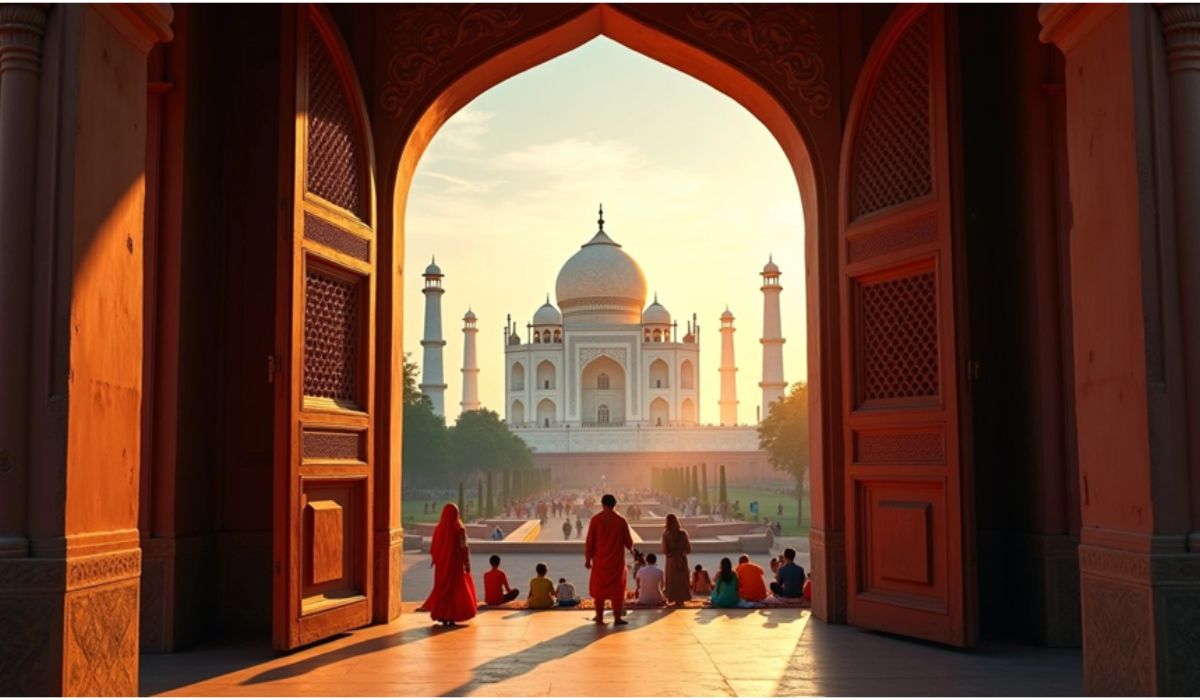
The Untold Story of the Golden Triangle: Secrets We Only Share with Friends
I’ll be honest with you — I was pretty skeptical about the Golden Triangle India tour before I visited.
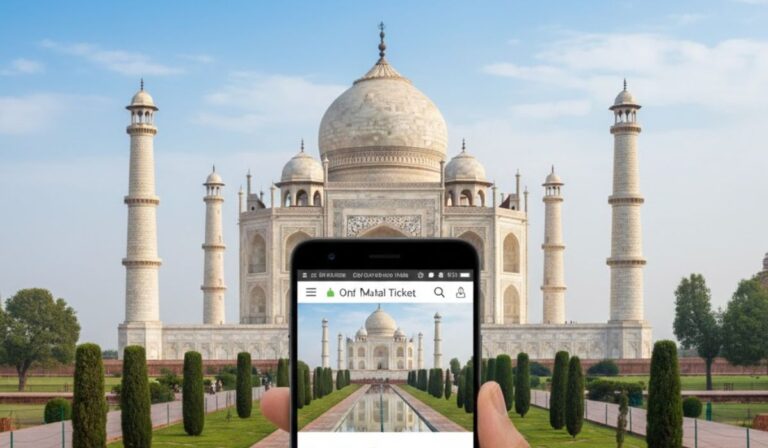
You know how it is. Everyone talks about this route through Delhi, Agra, and Jaipur, and yes, the Taj Mahal alone draws over seven million visitors every year. But when something’s that popular, you start wondering if you’re just going to be another tourist taking the same photos and having the same sanitized experience as everyone else.
The thing is, though, there’s a massive difference between what most visitors see and what actually makes this triangular route between three incredible cities so special. The Golden Triangle gets its name from the shape these cities make on a map — Delhi at the top, Agra and Jaipur forming the base — and they’re each about 125 miles from each other. Simple enough, right? But those 720 kilometers contain some of the most fascinating history and culture you’ll find anywhere.
Sure, the Taj Mahal is the star of the show, and it should be. Shah Jahan’s 22-year project that employed 20,000 workers is pretty mind-blowing. But here’s what I discovered during my time there: while everyone’s rushing around trying to get that perfect sunrise shot, locals are experiencing these three cities in completely different ways.
Can you imagine missing out on all of that just because you’re following the same tourist trail as everyone else?
I spent weeks talking to residents, eating where they eat, and exploring corners of Delhi, Agra, and Jaipur that don’t make it into the standard itineraries. What I found was a Golden Triangle that’s infinitely more interesting than the version most visitors see — one where you can experience authentic street food that locals have been enjoying for decades, discover hidden temples where evening prayers feel genuinely spiritual, and learn stories about these monuments that tour guides never tell.
This isn’t about avoiding the famous sites (you absolutely should see the Taj Mahal). It’s about experiencing them alongside the places and moments that make locals fall in love with their own cities every single day.
What I Learned About How Locals Actually Experience the Golden Triangle
The more time I spent talking to residents in Delhi, Agra, and Jaipur, the more I realised that everything I thought I knew about visiting these cities was wrong. Locals don’t rush between monuments taking photos. They don’t follow itineraries. They experience their cities in ways that make so much more sense once you understand the rhythm of life there.
How to Travel Like a Local (Not a Tourist)
Delhi residents taught me that the best way to get to Agra isn’t necessarily the fastest. Sure, you can take the Gatimaan Express or Shatabdi Express trains — they’re quick and affordable — but locals often choose their transportation based on what they want to see along the way.
When families from Delhi visit relatives in Agra, they’ll sometimes hire a private car for the whole day (around 5,000-6,000 INR) specifically so they can stop at places like Fatehpur Sikri. It’s not about efficiency; it’s about making the journey part of the experience.
I learned this the hard way when I initially planned to rush between cities. A local family I met in Delhi suggested I start much earlier in the mornings — not just to beat the crowds, but because travelling in the cooler hours across this 720-kilometer circuit makes everything more pleasant. They were absolutely right.
Each City Has Its Own Personality (And Locals Know How to Work With It)
What struck me most was how different the three cities feel, and how residents adapt their daily routines accordingly.
Delhi locals start their mornings with walks through Lodhi Gardens before the chaos begins. They’re incredibly direct in their communication — something that initially caught me off guard until I realised it’s just efficient, not rude. Once I understood this, my interactions in Delhi became so much smoother.
Agra residents, on the other hand, carry themselves with this quiet pride about their artisanal heritage. The marble inlay work that makes the Taj Mahal so spectacular? Families here have been perfecting those techniques for generations. When you understand this, you see Agra completely differently.
Jaipur feels different again. Locals here embrace their royal heritage in subtle daily ways — like evening visits to smaller temples rather than the tourist-heavy spots. There’s this sense of living history that you’ll miss entirely if you’re just checking monuments off a list.
Timing Your Visit Around What Actually Matters
I wish someone had told me about the festival calendar before I arrived. Locals plan their travels around celebrations that most tourists never even hear about.
The Republic Day Parade in Delhi on January 26th is extraordinary — it’s one of India’s biggest national celebrations and shows off the country’s military and cultural diversity in ways that’ll give you chills. February brings the Taj Mahotsav near the Taj Mahal, which is this incredible ten-day festival featuring traditional arts and music that gives you a genuine taste of Mughal-era culture.
Jaipur’s Literature Festival in January is something else entirely. They call it “the Greatest Literary Show on Earth,” and having experienced it, I’d say that’s not an exaggeration. But for true cultural immersion, locals told me to visit during Teej Festival in July or August, when women throughout the Pink City dress in traditional attire and you’ll see decorated swings everywhere.
The best months for weather are definitely October through March when daytime temperatures stay comfortably in the 20s Celsius. What’s brilliant is that this period also coincides with major celebrations like Diwali and Holi, so you get perfect weather and authentic cultural experiences.
If I had to pick the perfect month to visit, I’d go with February. The temperatures are lovely, there’s less pollution than in the winter peak, and you’ll catch some of these incredible festivals.
Delhi’s Secret Side: Where Locals Actually Hang Out
Delhi’s got this reputation for being all about the Red Fort and India Gate, but that’s honestly just scratching the surface. The Delhi that locals love? It’s hiding in quiet gardens, tiny food stalls, and old-school cafes that tourists walk right past.
Early Morning Magic at Lodhi Garden
Here’s something I learned from a local friend: if you want to see Delhi at its most peaceful, set your alarm for 6 AM and head to Lodhi Garden. I know, I know — 6 AM sounds brutal when you’re on holiday. But trust me on this one.
The garden transforms completely in those early hours. While the rest of the city’s still waking up, you’ll find locals doing yoga next to 500-year-old tombs (which is pretty surreal when you think about it). The 90-acre space has these unwritten rules that regular visitors follow — serious joggers stick to the northwestern path, meditation happens in the eastern sections, and the central lawns become social spots around 8 AM when chai vendors quietly set up their stalls.
What I loved about this place was watching the same faces appear every morning. There’s something really special about seeing people maintain these daily rituals surrounded by monuments that have been standing since the 15th century.
Street Food That Tourists Never Find
Everyone knows about Chandni Chowk, but Delhi locals? They’ve got their own favorite food spots that don’t make it into any guidebook.
Amar Colony Market in South Delhi completely changed how I think about street food. Bhalla Papdi Corner has been serving chaat since 1970, and the flavors are incredible — tangy, spicy, and fresh in a way that makes you understand why locals line up here instead of heading to the famous tourist spots. The prices are also about half what you’d pay in the more touristy areas.
I spent an evening in CR Park Market trying Bengali street food (the puchkas there are unlike anything I’ve tasted elsewhere), and then discovered Majnu ka Tilla — this Tibetan refugee colony where families have been serving homemade thukpa and momos for decades. The atmosphere there is so authentic, and the food is both comforting and incredibly affordable.
Old-School Cafes with Stories to Tell
Delhi’s intellectual heart beats in these century-old establishments that somehow survive despite the city’s constant change.
United Coffee House in Connaught Place has been hosting political debates since 1942. When I walked in, I felt like I was stepping into a time capsule — the same cinnamon coffee recipe, the original furniture, even some of the same political arguments (probably). There’s this sense of continuity that’s pretty rare to find these days.
Faqir Chand & Sons in Khan Market is Delhi’s oldest bookstore, and the owner still personally recommends books based on what mood you’re in. I spent an hour there just watching him match customers with exactly the right title. It’s these kinds of personal touches that make Delhi’s colonial-era establishments feel so different from the sanitized tourist experiences you get elsewhere.
What Agra Locals Know (That Tour Groups Don’t)
Most people think Agra is just a pit stop — see the Taj, take the obligatory photos, move on to Jaipur. I get it, because that’s exactly what I was planning to do.
But then I started talking to people who actually live there, and it turns out there’s this whole other side to Agra that most visitors completely miss. The locals I met were genuinely excited to share their city beyond the marble monument that everyone comes to see, and honestly? Some of what they showed me was just as impressive.
The Spots Locals Actually Love
There’s this garden called Mehtab Bagh that sits directly across the Yamuna River from the Taj Mahal. While tourists are crowding around the main monument, locals head here for what they insist are the best sunset views of the Taj you’ll find anywhere . I was skeptical at first (aren’t we all told the Taj is best at sunrise?), but they were absolutely right. Watching the marble change colors as the sun sets behind it, without fighting through crowds for a decent photo — it felt like discovering a secret.
The “Baby Taj” — officially called Itimad-ud-Daulah’s Tomb — was another revelation . Some of the locals I spoke with actually prefer the intricate marble inlay work here to the Taj itself. That’s a bold claim, but after spending an afternoon wandering around this smaller, more intimate mausoleum, I started to understand why. The craftsmanship is incredible, and you can actually get close enough to appreciate the details without being jostled by tour groups.
Ram Bagh surprised me too. It’s India’s oldest Mughal garden, and on weekends, you’ll find local families picnicking among 16th-century pavilions while kids play cricket on the lawns . It’s such a normal, everyday use of this historical space that it made me realize how these monuments are still very much part of people’s daily lives.
The Stories They Don’t Put in Guidebooks
One evening, I was chatting with my rickshaw driver (who turned out to be a fountain of local knowledge), and he told me about the Black Taj theory. Apparently, many locals believe Shah Jahan planned to build a mirror-image black marble mausoleum across the river for himself . The symmetrical layout of the gardens supposedly supports this idea, though historians debate whether it’s fact or legend.
He also shared the story about Shah Jahan ordering the thumbs of craftsmen cut off after the Taj was completed, so they could never create anything as beautiful again. Brutal if true (and historians aren’t convinced it is), but it’s these kinds of tales that locals have been passing down for generations. They’re part of Agra’s living oral tradition, whether or not they actually happened.
Where Agra Locals Actually Eat
Tourist restaurants around the Taj are exactly what you’d expect — overpriced and underwhelming. But the locals I met took me to places I never would have found on my own.
For breakfast, everyone seems to head to Deviram’s near Belanganj. They’ve been making jalebis and samosas the same way for over 60 years , and watching the morning crowd of regulars, you can tell this is where you come for the real deal. The narrow lanes of Sadar Bazaar hide even more gems, like Ram Babu Parathe Wale, where I watched generations of the same family stuff parathas with incredible skill.
And you absolutely have to try petha — this translucent candy that’s basically Agra’s signature sweet. But here’s the thing: locals will only send you to one place. Panchhi Petha is this tiny shop that everyone insists makes the only authentic version. I’ll admit, I was skeptical about how different one petha could be from another, but after trying the tourist-trap versions and then the real thing… there’s definitely a difference.
What Jaipur Locals Don’t Want You to Miss
Jaipur was where everything clicked for me. After exploring Delhi and Agra, I thought I had the Golden Triangle figured out, but the Pink City completely surprised me with how much authentic life exists just steps away from the main tourist trail.
The thing about Jaipur is that locals are genuinely proud of their city’s traditions, and if you know where to look, they’re more than happy to share them with you. I discovered that the real magic happens in the narrow lanes and family workshops that tour groups never visit.
The Pink City’s Secret Lanes
I stumbled upon some of the most fascinating streets in Jaipur completely by accident. Near Johari Bazaar, there’s this tiny lane called Chandi Ki Taksal gali where silversmiths work using the exact same techniques their grandfathers used. The sound of hammering starts early in the morning, and watching these craftsmen shape silver is absolutely mesmerizing.
Early mornings in Modikhana revealed something totally unexpected — elderly men gathering in hidden squares to play chess and discuss city politics. It felt like being invited into a secret club that’s been meeting for decades. I loved these glimpses into everyday life that you’d never experience on a standard tour.
Have you ever walked down Thatheron Ka Rasta? Most visitors miss it entirely, but it’s where copper artisans hammer vessels into shape while surrounded by old haveli buildings with fading frescoes. Each building tells stories about Jaipur’s merchant families and their incredible wealth from centuries of trade.
Family Workshops You Can Actually Visit
Unlike the commercial shops that dominate most itineraries, I found authentic craftsmanship thriving in modest family studios. The blue pottery workshops around Kripal Kumbh Art were particularly fascinating — you can watch the entire process from clay mixing to the final firing, and the artisans are genuinely excited to explain their techniques.
The Nila family’s bangle workshop near Tripolia Gate was one of my highlights. They still use traditional lac melting methods to create bangles for Rajasthani weddings, and the grandmother showed me patterns that her family has been making for over 100 years. These are the kinds of experiences that make travel meaningful — connecting with people who are preserving traditions that span generations.
Evening Prayers That Feel Authentic
I’ll be honest, I’ve visited plenty of temples that felt like tourist attractions. But evening aarti in Jaipur’s lesser-known temples is something completely different.
The ceremony at Shila Devi Temple inside Amber Fort features Rajput ceremonial elements that priest families have been performing since the temple’s founding. The atmosphere is intimate and genuine, with locals coming to pray rather than take photos.
But the most incredible experience was at Galtaji Temple, where evening prayers blend with natural springs in this dramatic hillside setting. Locals consider it Jaipur’s spiritual heart, and after spending an evening there, I completely understand why. The combination of ancient ritual and natural beauty creates something truly special.
Staying With Local Families
One of the best decisions I made was staying in a heritage home rather than a standard hotel. These historical havelis offer genuine cultural immersion — home-cooked meals, stories about Pink City life, and insights into Rajasthani hospitality that you simply can’t get from guidebooks.
The family I stayed with had lived in the same haveli for generations, and hearing their stories about Jaipur’s evolution while sharing meals in their courtyard felt like stepping into authentic Indian family life. It’s these personal connections that transform a regular trip into something unforgettable.
Key Takeaways
Discover the authentic Golden Triangle experience that goes far beyond standard tourist itineraries, revealing hidden gems and local secrets across Delhi, Agra, and Jaipur.
- Travel like locals do: Use trains between cities, hire private cars for flexibility, and start early mornings to avoid crowds and heat while exploring the 720-kilometer circuit.
- Explore hidden Delhi gems: Visit Lodhi Garden at 6 AM for peaceful walks, discover authentic street food in Amar Colony Market, and experience colonial-era cafes like United Coffee House.
- Uncover Agra beyond the Taj: Experience sunset views from Mehtab Bagh, explore the “Baby Taj” (Itimad-ud-Daulah’s Tomb), and taste authentic petha from local shops in Sadar Bazaar.
- Find Jaipur’s secret soul: Wander through hidden artisan alleys like Chandi Ki Taksal, visit family workshops for authentic blue pottery, and attend evening aarti at lesser-known temples.
- Time your visit strategically: Plan around major festivals like Taj Mahotsav (February) and Jaipur Literature Festival (January) for authentic cultural immersion during optimal weather months (October-March).
The real Golden Triangle reveals itself through local connections, authentic experiences, and cultural insights and also i suggest you to take info about the Dream like India that transform a typical sightseeing trip into a meaningful journey through India’s living heritage.
FAQs – About the Golden Triangle India Trip
Q1. What is the best time to visit India’s Golden Triangle? The optimal time to visit the Golden Triangle is between October and March. During these months, daytime temperatures are pleasant (around 20°C), and you can experience major festivals like Diwali and Holi.
Q2. How do locals typically travel between the Golden Triangle cities? Locals often use a combination of transportation methods. For Delhi to Agra, many prefer trains like the Gatimaan Express. For Agra to Jaipur, private cars are popular, allowing stops at places like Fatehpur Sikri. Early morning departures are favored to avoid traffic and heat.
Q3. Are there any lesser-known attractions in Agra besides the Taj Mahal? Yes, Agra has several hidden gems. Mehtab Bagh offers stunning sunset views of the Taj Mahal, while Itimad-ud-Daulah’s Tomb (known as the “Baby Taj”) features intricate marble inlay work. Ram Bagh, India’s oldest Mughal garden, is another peaceful retreat loved by locals.
Q4. Where can I experience authentic local cuisine in Delhi? For authentic Delhi street food, locals recommend Amar Colony Market in South Delhi, particularly Bhalla Papdi Corner. CR Park Market offers excellent Bengali street food, while Majnu ka Tilla is known for authentic Tibetan cuisine at affordable prices.
Q5. How can I experience Jaipur beyond the typical tourist attractions? To experience Jaipur like a local, explore the hidden alleys of the Pink City such as Chandi Ki Taksal gali for traditional silversmiths. Visit family-run artisan workshops, like those creating blue pottery near Kripal Kumbh Art. In the evening, attend aarti ceremonies at lesser-known temples like Shila Devi Temple inside Amber Fort.
Subscribe to Our Newsletter for Exclusive Travel Offers!