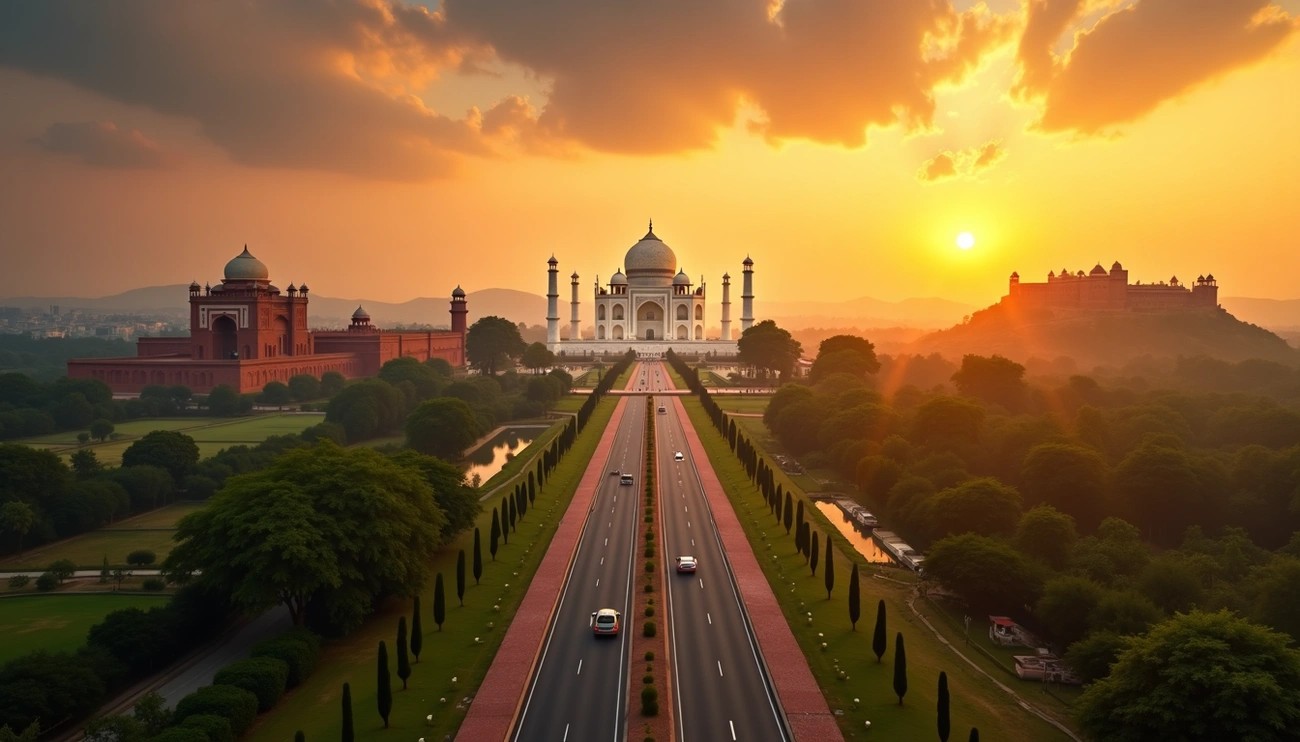
How to Plan Your Golden Triangle India Tour: A Stress-Free Guide for UK & USA Travelers
The Golden Triangle India has a fascinating origin to its name. Delhi, Agra, and Jaipur form an almost-equilateral triangle on the map .
These three amazing cities lie just 125 to 155 miles from each other . They make up India’s most popular tourist route . I’ve traveled this remarkable route myself, and I can tell you that UK and USA visitors need some careful planning before their first trip.
The Taj Mahal stands beautifully on the Yamuna River’s banks . Jaipur welcomes you with its pink-colored architecture . Delhi offers a rich cultural mix. Your India travel plans need good attention to detail. Most people take 6-7 days to see these places properly. Many tourists choose 10-day packages that add stops like Varanasi or Ranthambore .
The best time to visit the Golden Triangle is between November and March. The weather stays pleasant in all three cities during these months . You’ll find warm days and cool mornings and evenings. These conditions make sightseeing comfortable without any extreme temperatures to worry about.
This piece will help you plan a stress-free adventure through the Golden Triangle. You’ll discover all the wonder without any worries. Let’s start planning your perfect Indian experience!
Understand the Golden Triangle Route
The Golden Triangle route ranks as India’s most popular tourist circuit. It connects three magnificent cities that showcase the country’s rich array of history. This unique route creates an actual geometric triangle on the map. Each city sits approximately 125-155 miles from the others.
What cities are included and why they matter
The Golden Triangle covers three distinctive urban centers:
Delhi: India’s capital Delhi shines as a sophisticated, modern metropolis with cosmopolitan flair. The bustling city combines ancient monuments with contemporary life. You’ll find treasures like the Red Fort, Jama Masjid, Humayun’s Tomb, and Qutab Minar. Visitors can experience both Old and New Delhi’s contrasting personalities.
Agra: Uttar Pradesh state’s Agra stands as proof of Mughal splendor. The city’s crown jewel is without doubt the Taj Mahal—a breathtaking marble mausoleum. Emperor Shah Jahan built it to honor his beloved wife Mumtaz Mahal. The impressive Agra Fort and nearby Fatehpur Sikri (the abandoned Mughal capital) explain India’s imperial past .
Jaipur: People know Jaipur as the “Pink City” because of its distinctively colored buildings. Rajasthan’s capital showcases the opulent lifestyle of the mighty Rajputs. Architectural marvels include Amber Fort, Hawa Mahal (Palace of Winds), City Palace, and Jantar Mantar observatory. Jaipur’s bazaars rank among Asia’s most vibrant spots, famous for textiles, jewelry, and handicrafts.
This triangle earned its “golden” status from its extraordinary collection of UNESCO World Heritage sites, architectural wonders, and cultural experiences in one circuit.
How long you need for a complete tour
The complete Golden Triangle circuit stretches approximately 720 kilometers by road. You could rush through it in 3 days, but this approach would leave you overwhelmed rather than enlightened.
A more rewarding experience needs:
-
5-7 days minimum: This time allows you to appreciate each destination’s unique character.
-
Ideal distribution: 2 days in Delhi, 1 day in Agra, and 2 days in Jaipur.
Experienced travelers often choose extended itineraries of 10-14 days. This allows them to include nearby attractions or enjoy a more relaxed pace. Photography enthusiasts, heritage stay lovers, or those interested in village visits should plan 9-10 days.
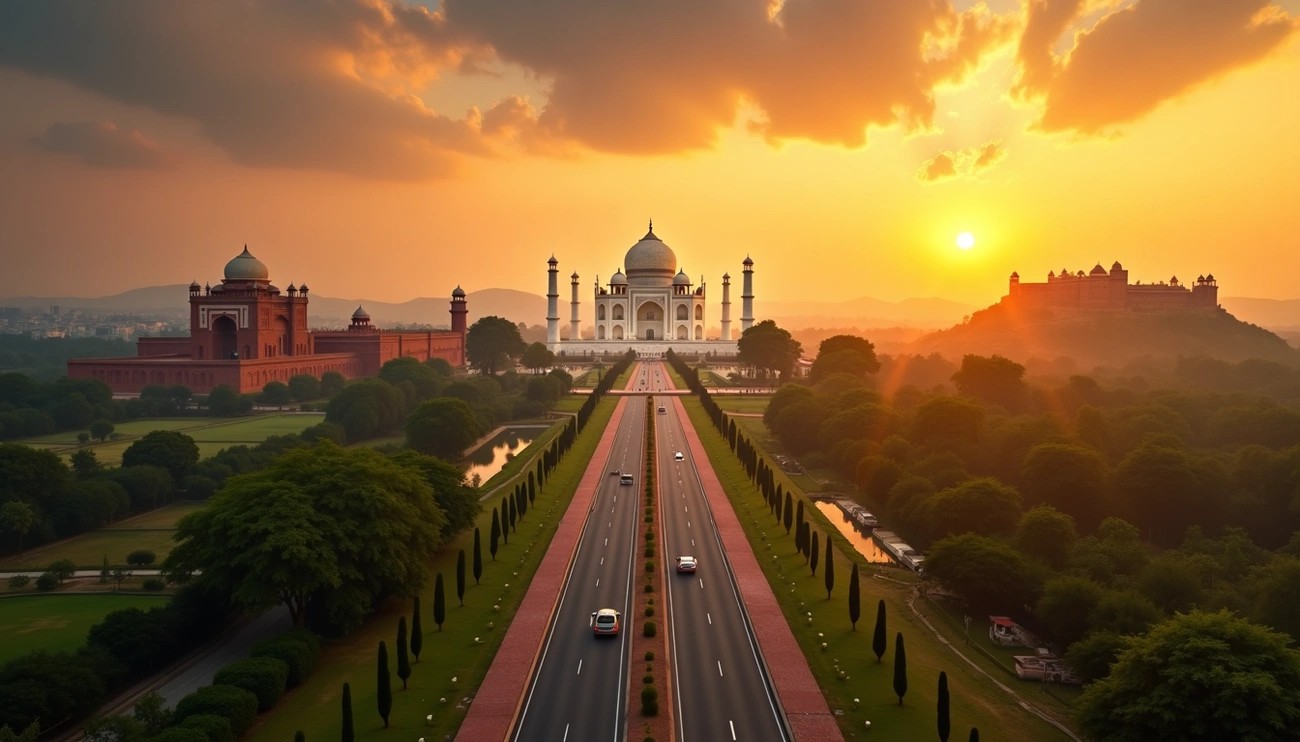
Ideal travel flow: Delhi → Agra → Jaipur
Most international travelers land at Indira Gandhi International Airport in Delhi, where the journey begins. The standard route flows:
-
Delhi to Agra: The Yamuna Expressway spans approximately 233 kilometers. The car journey takes roughly 3-4 hours. The Gatimaan Express—India’s fastest train—covers this distance in just 100-150 minutes.
-
Agra to Jaipur: This 237-kilometer stretch features fascinating stops like Fatehpur Sikri. A private driver offers the most flexibility for this leg.
-
Jaipur to Delhi: The final 273-kilometer return journey to Delhi works well by road or rail.
Each leg takes about 4-6 hours of driving, depending on traffic. The route shows India’s dramatic landscape changes—from Delhi’s urban sprawl to Agra’s riverine setting and Jaipur’s desert-framed majesty.
The Golden Triangle route gives you a perfect introduction to India’s diverse heritage. It offers a well-balanced sample of the country’s historical grandeur, architectural magnificence, and cultural vibrancy.
How to Get to India from the UK or USA
Planning your trip to India is a vital part of organizing your Golden Triangle India tour. Here’s what you need to know about transportation and arrival details to make your experience smooth.
Best flight routes and airlines
Your first step to learning about the Golden Triangle starts with booking the right flight to India. Air India stands out with its exclusive nonstop flights between the USA and India – perfect if you want to avoid international transits or layovers. The airline has substantially improved its service over the last several years since joining the TATA Group. You’ll find upgraded fleets and premium amenities, including inflight Wi-Fi on most routes.
Emirates delivers an exceptional travel experience with a Dubai layover. Their Dubai Connect package gives you free hotel stays, meals, and airport transfers when layovers are longer than 8 hours. Qatar Airways matches this quality and has won “Airline of the Year” from Skytrax eight times. They let you pre-select meals and might offer Doha City stopovers.
Other excellent carriers include:
-
Etihad Airways: Offers US pre-clearance in Abu Dhabi and Flying Nanny service for families
-
Singapore Airlines: Delivers exceptional service with uninterrupted connections through Changi Airport
-
Lufthansa: Their codeshare agreement with Air India now connects USA to 15 Indian destinations
Arrival tips for Delhi airport
Delhi’s Indira Gandhi International Airport welcomes you with a modern facility and clear signage. Your first task is to complete your arrival card at the standing desks near the Costa Coffee kiosk. Head to immigration next, where you’ll find the FOREIGN NATIONALS section and E-VISA counters marked by purple floor indicators.
Collect your baggage after clearing immigration and proceed through customs. The airport provides lounges, dining options, and transit hotels. You can request wheelchair assistance from your airline when booking if needed.
The official Prepaid Taxi Service kiosk offers reliable transportation at fixed rates. It’s worth mentioning that you should avoid random taxi drivers who approach you outside.
Currency exchange and SIM card advice
You have several options to exchange foreign money. Banks and authorized money changers give better rates than airport kiosks. You can bring up to USD 5,000 in cash without declaration, but larger amounts need customs declaration.
The quickest way to get mobile connectivity is through the Airtel kiosk near the airport exit. Bring your passport, a passport-sized photo, and around 800 INR (about USD 10) for a SIM with 1.5GB daily data valid for 90 days. Travel eSIMs from providers like Airalo are another option, with data packages starting at USD 4.50 for 1GB valid for 7 days.
Note that airport-purchased SIM cards take a few hours to activate, so plan other ways to communicate right after landing.
Booking Your Golden Triangle India Tour Package
The right tour package can make or break your Golden Triangle India experience. I’ve researched many options and learned what makes a great trip. Let me share what you need to know before booking.
What to look for in a good tour package
A good golden triangle india tour package has accommodations, transportation between cities, guided tours, and entrance fees to monuments. Here are the key things to look at before you book:
Duration considerations: Tour operators suggest 6-12 days to see Delhi, Agra, and Jaipur properly. This gives you enough time to explore without rushing through places.
Package inclusions: Most detailed packages cover hotel stays, intercity transport, local guides, monument entrance fees, and some meals. You should always check what’s included to avoid surprises with costs later.
Accommodation quality: You’ll find packages from budget-friendly tourist-class rooms to luxury 5-star heritage hotels. Think about staying at places that add value to your trip—like hotels with Taj Mahal views in Agra.
Customization options: Good operators let you adjust your trip based on what interests you. You could add a cooking class with a local family or plan a sunrise visit to the Taj Mahal.
Private vs group tours: pros and cons
Private tours give you these benefits:
-
Individual attention and freedom to set your pace
-
Room to change your schedule as you wish
-
Special experiences not available to bigger groups
Group tours work well because they:
-
Cost less through shared expenses
-
Let you meet other travelers
-
Need less planning on your part
The price difference can be big—private luxury tours cost more but give a unique experience, while group tours help you see everything for less.
Recommended tour operators for UK/USA travelers
These operators get great feedback from travelers consistently:
For luxury trips: Oberoi Hotels creates custom golden triangle india tour packages with stays in their top properties.
For good value and quality: Intrepid Travel keeps getting excellent reviews (4.5/5 from nearly 5,000 travelers) and runs small group trips with responsible tourism in mind.
For budget travel: SmarTours offers well-rated packages (4.9/5) that focus on value.
The best time to book falls between October and March. This helps you avoid monsoon season and summer heat.
What to Expect in Each City
Each city on the Golden Triangle India route has its own character and charm. Let me share what makes these destinations special based on my experience.
Delhi: chaos and charm
Delhi shows an amazing mix of old and new India. Ancient monuments stand next to modern developments in this energetic city. The narrow lanes of Old Delhi’s Chandni Chowk market create a sensory overload with vibrant colors, rich aromas, and street sounds that capture traditional Indian commerce. New Delhi provides a contrast with its broad avenues, colonial architecture, and peaceful green spaces.
These iconic Delhi experiences should be on your list:
-
The majestic Red Fort, a UNESCO World Heritage site still bears bullet marks from the 1857 uprising
-
Humayun’s Tomb sits in peaceful gardens and inspired the Taj Mahal’s design
-
Qutub Minar, an 800-year-old minaret stands as Delhi’s most recognizable landmark
Delhi blends its historical treasures with modern life naturally. This makes it a perfect starting point for your Golden Triangle India trip.
Agra: romance and history
The crown jewel of Agra, the incomparable Taj Mahal, draws millions of visitors. Nearly five million people visit this perfect marble masterpiece each year. The monument truly lives up to its reputation in person. The early morning view offers smaller crowds and a magical sight as sunlight plays on the marble surface.
Agra’s other Mughal treasures include the massive red sandstone Agra Fort. A maze of buildings lies within its 21.4-meter high walls. You’ll find impressive structures like Diwan-i-Khas and Shish Mahal, a palace with tiny mirror-covered walls.
Jaipur: color and culture
The “Pink City” fascinates visitors with its rose-colored buildings. This tradition started in 1876 when the city was painted pink to welcome the Prince of Wales. Jaipur proudly displays Rajasthan’s royal heritage through its grand architecture.
Hawa Mahal’s honeycomb facade features 953 small windows. Royal ladies once used these windows to watch street life without being seen. The grand Amber Fort sits on a hilltop with amazing views and showcases beautiful Rajput craftsmanship.
Jaipur serves as a shopper’s paradise. Traditional handicrafts, textiles, and jewelry fill the busy Johari Bazaar. This part of your trip shows why Golden Triangle India tour packages highlight Jaipur as a cultural gem where old traditions still thrive.
Essential Travel Tips for a Stress-Free Trip
A stress-free Golden Triangle India adventure needs good preparation as its life-blood. These essential tips will boost your experience, and I’ve refined them after several trips to the region.
Packing checklist for India
Pack light but get everything you need for your Golden Triangle India tour. A small padlock will secure your luggage on trains. You’ll need comfortable walking shoes to visit monuments. The first-aid kit must have sunscreen, insect repellent, hand sanitizer, and diarrhea medicine. A lightweight scarf or shawl comes in handy at temples, and a reusable water bottle helps you stay hydrated.
Staying healthy and avoiding Delhi belly
Bottled or filtered water is the only way to go – stay away from tap water. Don’t take ice in your drinks since it’s made from tap water. Hot, freshly cooked meals are safe, but raw foods like salads and cut fruits aren’t. Electrolyte sachets help prevent dehydration if you get sick. Ask your doctor about taking probiotics before you leave.
Cultural etiquette and dress code
Modest dress works best on your Golden Triangle India tour package. Your clothes should cover shoulders, knees, and midriff. Temples and homes require you to take off your footwear. The right hand is what you’ll use to eat or pass objects – the left hand isn’t clean in local culture. Public displays of affection don’t work here.
Using local transport and staying safe
Set a flat fare before getting into a car for your Golden Triangle India holiday. Traffic gets crazy during rush hour (8am-8pm), so plan around it. The best time to see monuments is early morning before crowds show up. Keep copies of your passport with you, and let someone know your daily plans if you’re traveling alone.
Conclusion
The Golden Triangle trip offers first-time visitors their best introduction to India. You’ll understand why travelers worldwide love this circuit after you learn about Delhi’s chaotic streets, see the romantic Taj Mahal in Agra, and experience Jaipur’s colorful culture.
The best time to visit shapes your experience significantly. The weather stays pleasant from November through March in all three cities. You can explore comfortably without dealing with extreme heat or monsoon rains. This period also features vibrant festivals that add extra magic to your trip.
Good preparation will make your remarkable adventure more enjoyable. The right packing choices, health precautions, respect for cultural customs, and tour package selection create a smooth experience. So these careful steps turn potentially challenging situations into memorable moments.
The Golden Triangle gives you an unmatched view of India’s rich historical array, whether you pick a private tour for flexibility or join a group for social connections. Each city tells its unique story. Delhi blends old-world charm with modern energy. Agra showcases Mughal magnificence. Jaipur reveals Rajasthan’s royal heritage.
My travels through this region have taught me something important. No photograph or description captures the real feeling of seeing the Taj Mahal at sunrise, walking through Jaipur’s pink-hued streets, or experiencing Old Delhi’s market buzz. I encourage you to start this trip yourself – the memories will without doubt last a lifetime.
Key Takeaways
Planning your Golden Triangle India tour requires strategic preparation, but with the right approach, you’ll experience India’s most iconic destinations stress-free. Here are the essential insights for UK and USA travelers:
• Plan 6-7 days minimum for the complete Delhi-Agra-Jaipur circuit to properly appreciate each city’s unique character without feeling rushed.
• Travel November-March for optimal weather conditions across all three cities, avoiding extreme heat and monsoon rains while enjoying pleasant temperatures.
• Book comprehensive tour packages that include accommodations, transportation, guided tours, and entrance fees to avoid unexpected costs and logistical headaches.
• Prioritize health precautions by drinking only bottled water, eating hot freshly-cooked meals, and packing essential medications to prevent “Delhi belly.”
• Respect cultural norms by dressing modestly (covering shoulders and knees), removing shoes in temples, and using only your right hand for interactions.
• Start early at monuments to avoid crowds and heat, especially at the Taj Mahal where sunrise visits offer magical lighting and fewer tourists.
The Golden Triangle offers an unparalleled introduction to India’s rich heritage, combining Delhi’s urban energy, Agra’s Mughal splendor, and Jaipur’s royal culture. With proper planning and realistic expectations, this journey becomes a transformative experience that showcases the very best of India’s historical and cultural treasures.
FAQs
Q1. How long should I plan for a Golden Triangle tour in India? A typical Golden Triangle tour requires at least 6-7 days to comfortably explore Delhi, Agra, and Jaipur. This allows sufficient time to experience each city’s unique character without feeling rushed. Some travelers opt for extended 10-day itineraries to include nearby attractions or enjoy a more relaxed pace.
Q2. What’s the best time of year to visit the Golden Triangle? The ideal time to visit the Golden Triangle is between November and March. During these months, you’ll enjoy pleasant weather conditions across all three cities, with warm days and cool mornings and evenings. This period offers the most comfortable climate for sightseeing and exploring outdoor attractions.
Q3. What should I look for in a Golden Triangle tour package? A good tour package typically includes accommodations, transportation between cities, guided tours, and entrance fees to monuments. Look for packages that offer flexibility to customize experiences based on your interests. Consider the quality of accommodations and whether the package aligns with your budget and preferred travel style (private or group tour).
Q4. How can I stay healthy during my Golden Triangle trip? To stay healthy, always drink bottled or filtered water and avoid tap water completely. Eat only hot, freshly cooked meals and be cautious with raw foods. Pack a basic first-aid kit including sunscreen, insect repellent, hand sanitizer, and diarrhea medicine. Consider consulting your doctor about probiotics before departure.
Q5. What are the must-see attractions in each Golden Triangle city? In Delhi, don’t miss the Red Fort, Humayun’s Tomb, and Qutub Minar. Agra is home to the iconic Taj Mahal and the impressive Agra Fort. In Jaipur, key attractions include the Hawa Mahal (Palace of Winds), Amber Fort, and the bustling bazaars like Johari Bazaar. Each city offers a unique blend of historical sites, architectural wonders, and cultural experiences.
Subscribe to Our Newsletter for Exclusive Travel Offers!