Royal Rajasthan – A Heritage Journey Through India
Royal Rajasthan – A Heritage Journey Through India
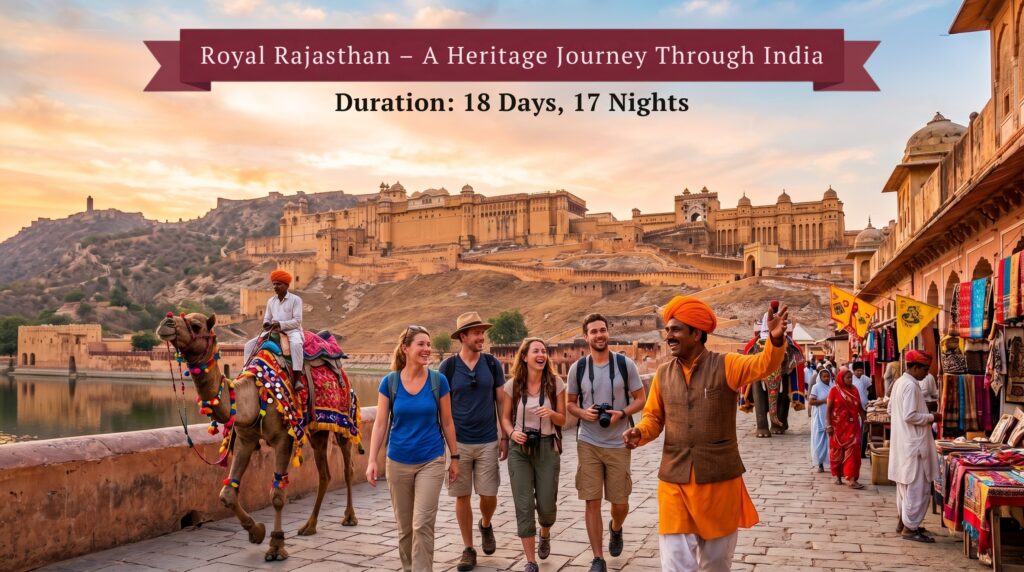
- Duration: 18 Days, 17 Nights
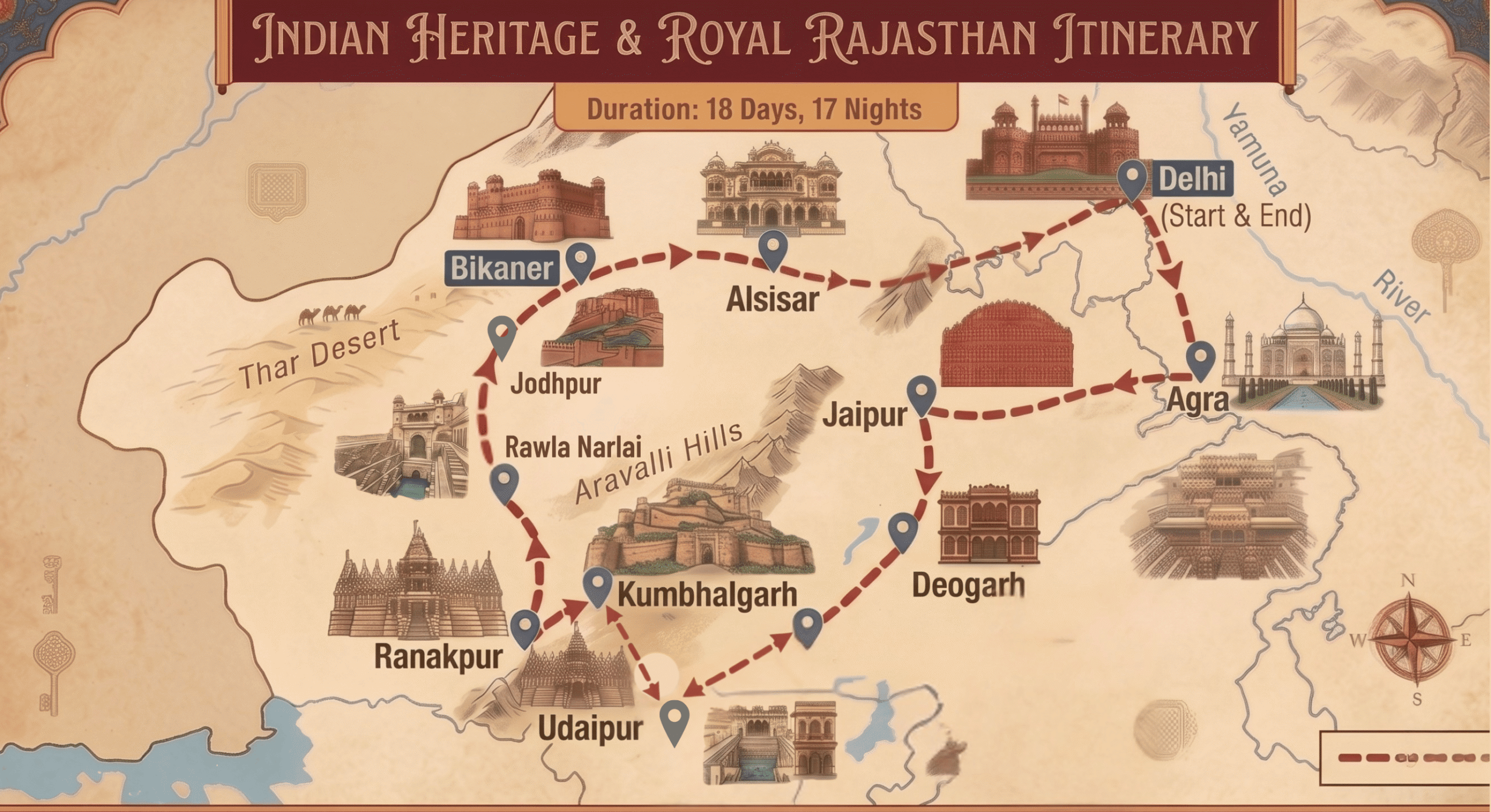
- Itinerary: Delhi – Agra – Jaipur – Deogarh – Udaipur – Kumbalgarh – Ranakpur – Rawla Narlai – Jodhpur – Bikaner – Alsisar – Delhi.
 Introduction – A Journey Through Royal Rajasthan
This thoughtfully designed journey offers a relaxed exploration of northern India and the royal state of Rajasthan, combining historic cities, magnificient palaces and authentic cultural experiences. The itinerary has been carefully paced to allow time not only for sightseeing but also for enjoying the unique atmosphere of India’s historic heritage hotels. Beginning in Delhi, India’s vibrant capital, the journey continues to the Mughal city of Agra, home of the world-famous Taj Mahal.
 Upcoming Travel Dates
- 21 February – 10 March 2027
Royal palaces, timeless traditions and coastal delights in one journey.
| UNIT | NETT PER PERSON RATES (USD) | SINGLE ROOM SUPP. (USD) |
|---|---|---|
| At least 4 paying pax double/twin sharing |
3750 USD | 1450 USD |
| At least 6 paying pax double/twin sharing |
3525 USD | 1450 USD |
| At least 8 paying pax double/twin sharing |
3370 USD | 1450 USD |
| At least 10 paying pax double/twin sharing |
3250 USD | 1450 USD |
| At least 12 paying pax double/twin sharing |
3160 USD | 1450 USD |
| CITY | HOTELS | NO. OF NIGHTS | CATEGORY |
|---|---|---|---|
| Delhi | Oberoi Maidens | 2 | Heritage |
| Agra | Taj Agra | 1 | 5 Star |
| Jaipur | Alsisar Haveli | 2 | Heritage |
| Deogarh | Deogarh Mahal | 1 | Heritage |
| Udaipur | RAAS Devigarh | 3 | Heritage |
| Narlai | Rawla Narlai | 1 | Heritage |
| Jodhpur | Ratan Vilas Jodhpur | 2 | Heritage |
| Bikaner | Narendra Bhawan Bikaner | 2 | Heritage |
| Alsisar | Alsisar Mahal | 2 | Heritage |
| Delhi | Radisson Blu Plaza | Freshen Up and Dinner | Heritage |
*or similar category Hotels.
Total No. of Nights : 17 Nights
IMPORTANT:
1. Kindly note that names of hotels mentioned above only indicate that our rates have been based on usage of these hotels and it is not to be construed that accommodation is confirmed at these hotels until and unless we convey such confirmation to you. In the event of accommodation not becoming available at any of the above mentioned hotels we shall book alternate accommodation at a similar or next best available hotel and shall pass on the difference of rates (supplement/reduction whatever applicable) to you.
2. Our offer is based on usage of base category rooms at the mentioned hotels (unless specified otherwise) and if this category of rooms is not available we shall try to confirm accommodation in next available higher category of rooms and shall advise supplementary cost involved while conveying the status.
3. Airfare is based on current pricing and remains subject to change until ticket issuance. Any fare difference (increase or decrease) will be advised accordingly.
ITINERARY
Arrival at Indira Gandhi International Airport (Terminal 3) in Delhi. After clearing immigration and customs, you will be warmly welcomed by our representative and assisted with your luggage. You will then be transferred to your hotel for check-in and time to rest after your international journey.
Delhi
Delhi, India’s capital, is a city where history spans more than a thousand years. Over the centuries it has been the seat of powerful dynasties including the Delhi Sultanate, the Mughal emperors and later the British colonial administration. Today the city is a fascinating blend of historic monuments, wide colonial boulevards, vibrant markets and modern urban life. With its rich cultural heritage and dynamic atmosphere, Delhi provides a captivating introduction to India.
The Oberoi Maidens Hotel
Your accommodation in Delhi is the elegant Oberoi Maidens Hotel, a historic property dating
back to 1903. Built during the British colonial era, the hotel reflects the charm and architectural style of the early twentieth century. Located in the quiet Civil Lines district, it was once close to the administrative quarters of the British Raj.
Today the Oberoi Maidens combines its colonial heritage with modern comfort, offering spacious rooms, beautiful gardens and a peaceful atmosphere—an ideal place to begin your journey through India. The remainder of the day is at leisure to relax and recover from your journey.
Overnight in Delhi
After breakfast at the hotel, begin your day exploring the many historical layers of India’s capital. Today’s city tour combines the vibrant atmosphere of Old Delhi with the wide avenues and monumental architecture of New Delhi.
Heritage Walk in Old Delhi
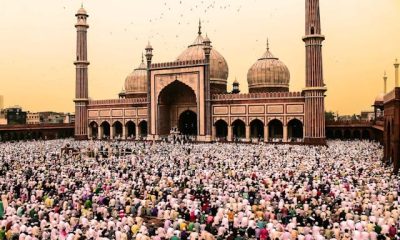
Your morning begins with a heritage walk through the historic lanes of Old Delhi, once the imperial capital of the Mughal Empire in the 17th century. Walking through the bustling streets offers a fascinating glimpse into daily life, where traditional markets, centuries-old shops and small temples exist alongside mosques and historic buildings. The lively bazaars, aromatic spice markets and narrow alleys create an atmosphere that reflects the city’s enduring commercial and cultural traditions.
Rajghat
Continue to Rajghat, the memorial dedicated to Mahatma Gandhi, the leader of India’s non-violent independence movement. The simple black marble platform marks the site where Gandhi was cremated in 1948. Surrounded by peaceful gardens, the memorial reflects the simplicity and humility associated with his life and philosophy.
India Gate & Government Buildings
Drive through the ceremonial heart of New Delhi, designed by British architect Sir Edwin Lutyens during the colonial period. Passing the grand avenues of the government district, you will see the imposing India Gate, a 42-meter-high war memorial honoring soldiers of the Indian Army who lost their lives during the First World War. Nearby stand the impressive government buildings, including the Parliament House and Rashtrapati Bhavan (the Presidential Residence), which together form one of the most remarkable examples of colonial urban planning in Asia.
Gurudwara Bangla Sahib
Visit Gurudwara Bangla Sahib, one of the most important Sikh temples in Delhi. Known for its beautiful golden dome and serene sacred pool, the temple is also famous for its community kitchen, where thousands of people are served free meals every day regardless of religion or background. The visit offers a meaningful insight into the Sikh principles of equality, service and hospitality.
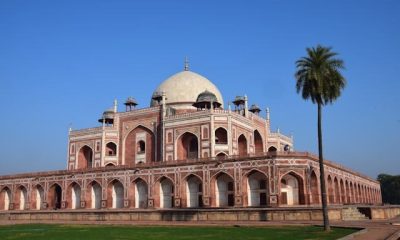
Humayun’s Tomb
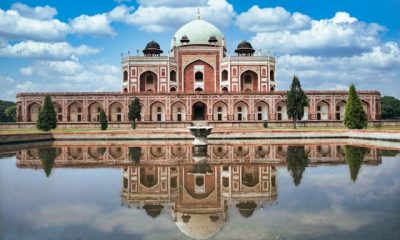
Next, visit Humayun’s Tomb, one of the finest examples of Mughal architecture in India. Built in 1570 by the widow of Emperor Humayun, this magnificent red sandstone mausoleum stands within a formal Persian-style garden divided by water channels. The monument is considered the architectural predecessor of the Taj Mahal and represents the beginning of the grand Mughal garden-tomb tradition in India.
Akshardham Temple (photography inside the temple is not permitted)
Your final stop is the impressive Akshardham Temple, a modern Hindu temple complex known for its intricate carvings and grand scale.
Completed in 2005, the temple showcases traditional Indian craftsmanship. with thousands of hand-carved stone figures depicting saints, deities and scenes from Indian mythology.
The complex celebrates India’s spiritual traditions, culture and artistic heritage.
Return to your hotel in the evening.
Overnight in Delhi.
After breakfast,depart by road for Agra, the former capital of the Mughal Empire during the 16th and 17th centuries. The drive takes you through the plains of northern India and offers glimpses of rural landscapes, small towns and agricultural life along the way.
Agra
Situated on the banks of the Yamuna River, Agra flourished under the Mughal emperors and became one of the most important cities of their empire. During this golden period, magnificent monuments and gardens were constructed, many of which still stand today as masterpieces of Indo-Islamic architecture.
Upon arrival in Agra, visit the following: Agra Fort
In the afternoon, visit the impressive Agra Fort, a UNESCO World Heritage Site and one of the most significant forts in India. Built primarily by Emperor Akbar in the 16th century, the massive fortress is constructed from red sandstone and encloses a complex of palaces, audience halls and courtyards.
Within its walls, later Mughal rulers added elegant marble structures, blending defensive architecture with refined imperial residences. From several vantage points Inside the fort, you can enjoy distant views of the Taj Mahal across the Yamuna River.
Itimad-ud-Daulah – The “Baby Taj”
Continue to the elegant tomb of Itimad-ud-Daulah, often affectionately called the “Baby Taj.” Built in the early 17th century by Empress Nur Jahan for her father, this exquisite marble mausoleum is considered a precursor to the Taj Mahal.
The monument is famous for its delicate marble lattice screens and intricate inlay work using semi-precious stones, techniques that later reached perfection in the Taj Mahal itself.
Sunset View of the Taj Mahal
Towards evening, enjoy a peaceful view of the Taj Mahal from across the Yamuna River.
This vantage point offers a quieter and more. contemplative perspective of the monument as the setting sun casts warm hues over the white marble, creating a memorable first glimpse of one of the world’s most celebrated architectural masterpieces.
Return to your hotel in the evening. Overnight in Agra.
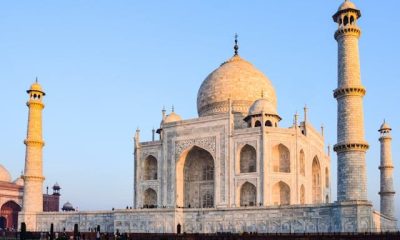
Begin the day early with a visit to the magnificent Taj Mahal at sunrise, the most magical time to experience this world-famous monument.
Built by Mughal Emperor Shah Jahan in memory of his beloved wife Mumtaz Mahal, the Taj Mahal was constructed between 1632 and 1653 and is widely regarded as the finest example of Mughal architecture Crafted from luminous white marble and decorated with delicate inlay work using semi precious stones, the mausoleum appears to change color with the shifting light of the day.
At sunrise, the soft golden hues of the morning light create a particularly serene and memorable atmosphere, allowing visitors to appreciate the perfect symmetry and refined craftsmanship of this architectural masterpiece.
After the visit, return to your hotel for breakfast and some time to relax before checking out.
"Later after Check-Out, depart by road for Jaipur. En route, stop in the small village of Abhaneri to visit the remarkable Chand Baori, one of the largest and most impressive stepwells in India"
Abhaneri – Chand Baori Stepwell
Dating back to the 9th century, this extraordinary structure was built as part of an ingenious water conservation system in the arid region of Rajasthan.
The stepwell consists of thousands of perfectly symmetrical stone steps descending over thirteen levels to the water below. Apart from its practical function of storing water, the site also served as a gathering place for the local community.
After the visit, continue your journey through the colorful landscapes of Rajasthan to Jaipur.
Jaipur – The Pink City
Founded in 1727 by Maharaja Sawai Jai Singh II, Jaipur was one of the first planned cities in India. Designed according to principles of astronomy and traditional Hindu architecture, the city was carefully laid out in a grid pattern with broad streets, markets and city gates. Jaipur soon became an important center for trade, craftsmanship and culture in Rajasthan.
Today the city is famous for its distinctive pink-colored buildings in the historic center, which gave it the nickname “The Pink City.” Majestic forts, royal palaces and vibrant bazaars make Jaipur one of India’s most fascinating destinations.Your accommodation in Jaipur will be reserved in the historic Alsisar Haveli, a beautifully restored heritage mansion that once belonged to a noble Rajput family from the Shekhawati region of Rajasthan.
Built in the late 19th century, the haveli reflects the traditional architectural style of the region, featuring elegant courtyards, carved balconies and decorative frescoes.
Today the property has been carefully converted into a charming heritage hotel, preserving its historic character while offering modern comforts.
Staying here provides a wonderful opportunity to experience the atmosphere of a traditional Rajasthani residence.
The remainder of the evening is at leisure.
Overnight in Jaipur.
Hawa Mahal – Palace of Winds
Beginthemorningwith a photostop at the iconic HawaMahal, one of the most recognizable landmarks of Jaipur. Built in 1799 by Maharaja Sawai Pratap Singh, this remarkable pink sandstone structure forms part of the City Palace complex.
The five-story façade is decorated with hundreds of small windows and intricately carved lattice screens. These openings allowed the royal ladies of the palace to observe daily life and festivals in the bustling streets below without being seen themselves.
Amer Fort
The unique honeycomb design also helped circulate cool air through the building, giving the palace its poetic name, the “Palace of Winds.”
Continuetothe majestic Amber Fort, located on a hill overlooking Maota Lake just outside Jaipur. Built in the late 16th century by Raja Man Singh, one of the most trusted generals of the Mughal Emperor Akbar, the fort served as the capital of the Kachwaha Rajput rulers before Jaipur was founded.
Constructed from sandstone and marble, Amer Fort is a magnificent blend of Rajput and Mughal architectural styles. Inside the complex you will find elegant courtyards, audience halls and richly decorated chambers, including the famous Sheesh Mahal(Mirror Palace), where thousands of tiny mirrors create a dazzling effect when illuminated.
Jal Mahal
Onthe return journey to Jaipur city, pause for a photo stop at the picturesque Jal Mahal, or “Water Palace.” Situated in the middle of Man Sagar Lake, the palace appears to float serenely on the water.
Built in the 18th century, the structure served as a royal retreat and pleasure palace for the rulers of Jaipur. Although visitors cannot enter the building today, its graceful architecture and tranquil setting make it one of the most photographed landmarks in the region.
Gaitor Ki Chhatriyan
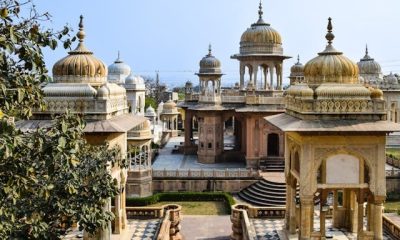
Continue to Gaitor KiChhatriyan,the royal cremation site of the Jaipur rulers. Hidden in a quiet valley just outside the city, this serene complex contains beautifully carved marble cenotaphs dedicated to the former Maharajas.
Each chhatri (memorial pavilion) reflects the architectural style of the ruler it commemorates, with delicate carvings, domes and columns that make the site both historically significant and visually striking.
City Palace
Return to the heart of Jaipur to visit the elegant City Palace Jaipur, still partially occupied by the royal family. Built by Maharaja Sawai Jai Singh II in the 18th century, the palace complex combines Mughal and Rajput architectural elements.
Within its courtyards and halls you will find museums displaying royal costumes, manuscripts, weapons and artifacts that illustrate the history of Jaipur’s ruling dynasty.
Jantar Mantar Observator
Yourfinal visit isthe remarkableJantarMantar Jaipur, a UNESCO World Heritage Site built in the early 18th century by Maharaja Sawai Jai Singh II, a passionate astronomer and scholar.
The observatory contains a collection of enormous stone instruments designed to measure time, track celestial movements and observe the positions of stars and planets with remarkable precision. Even today, many of these instruments remain surprisingly accurate.
Return to your hotel in the evening.
Overnight in Jaipur.
Begin the day early with an exciting wildlife experience at the Jhalana Leopard Safari Park, located on the outskirts of Jaipur. This protected reserve was once a hunting ground for the royal family but today serves as an important conservation area for wildlife.
Jhalana has become well known for its population of leopards, which are often spotted resting on rocky hillsides or moving quietly through the forest. During the guided morning safari, you may also encounter other animals such as spotted deer, Antelopes (nilgai), desert foxes and a variety of bird species. The peaceful early morning hours offer the best chance to observe wildlife while enjoying the natural landscape surrounding the city.(While the area is known for leopard activity, sightings are not assured).
After the safari, return to the hotel for breakfast and some time to relax.
Galta Ji Temple
In the later afternoon, visit the historic Galta Ji Temple, an important Hindu pilgrimage site located in a narrow valley surrounded by the Aravalli hills.
Often referred to as the “Monkey Temple,” Galta Ji is a complex of temples and sacred water tanks built in traditional Rajasthani style using pink sandstone. The site has been a spiritual center for centuries, attracting pilgrims who come to bathe in the natural springs believed to have sacred properties.
The most prominent temple within the complex is dedicated to the Sun God, while the peaceful surroundings and views over the hills make this a particularly atmospheric place to visit in the soft light of the late afternoon.
Return to the hotel in the evening.
Overnight in Jaipur.
After breakfast, check out from your hotel and depart by road for Deogarh, a charming heritage town located in the Aravalli hills of Rajasthan. The drive takes you through scenic rural landscapes, small villages and agricultural fields, offering a glimpse into the slower pace of life in the countryside.
Deogarh – A Historic Rajput Town
Deogarh is a small yet historically significant town that once served as the seat of a Rajput principality. Surrounded by hills and dotted with traditional houses and temples, the town retains much of its old-world character and offers visitors a peaceful atmosphere away from the larger cities of Rajasthan.
At the heart of Deogarh stands the impressive Deogarh Mahal, a magnificent palace that dominates the skyline of the town.
Built in the 17th century, Deogarh Mahal was the residence of the rulers of the Deogarh principality, who were descendants of the Sisodia Rajputs of Mewar. Over the centuries the palace was gradually expanded by successive rulers, resulting in a fascinating blend of architectural styles, courtyards, terraces and balconies.
The palace is known for its richly decorated interiors, including colorful frescoes, ornate arches and intricately carved stonework that reflect the artistic traditions of Rajasthan. Today the palace has been carefully restored and converted into a heritage hotel, allowing visitors to experience the grandeur and atmosphere of a former royal residence.
Exploring the Local Market
In the afternoon, take a leisurely walk through the local market of Deogarh, where everyday life unfolds at a relaxed pace. Small shops selling textiles, household goods and traditional items line the narrow streets, while local residents gather to socialize and conduct their daily business.
The visit offers a pleasant opportunity to observe the rhythms of life in a traditional Rajasthani town and interact with the local community.
Return to the palace in the evening.
Overnight in Deogarh
Enjoy a relaxed morning at the palace. The time until lunch is free at leisure to experience the unique atmosphere of your heritage Hotel. You may wish to take a walk through the palace courtyards, relax by the pool or simply enjoy the peaceful surroundings of the Aravalli hills.
After lunch, depart by road for Udaipur, one of the most romantic and pictures que cities in Rajasthan. The drive passes through the scenic landscapes of southern Rajasthan, dotted with villages, rocky hills and agricultural fields.
Udaipur – The City of Lakes
Often referred to as the “City of Lakes,” Udaipur is one of the most beautiful cities in India. It was founded in 1559 by Maharana Udai Singh II, the ruler of the Mewar kingdom, who chose this location in the Aravalli hills as the new capital after leaving the fortress city of Chittorgarh.
Built around a series of shimmering lakes and surrounded by hills, Udaipur developed into an elegant royal city known for its palaces, temples and tranquil waterfront views. The white marble buildings reflected in the waters of Lake Pichola create a timeless and romantic atmosphere that has attracted travelers for centuries.
Today Udaipur remains closely associated with the proud heritage of the Mewar dynasty, one of the oldest ruling families in Rajasthan.
Your Hotel – RAAS Devigarh
Your accommodation near Udaipur is the spectacular RAAS Devigarh, a magnificent palace hotel located in the village of Delwara, about 20 kilometers from the city.
Originally built in the 18th century as the Devigarh Palace, the property served as the residence of the rulers of the Delwara principality, who were nobles of the Mewar kingdom. Perched on a hill overlooking the surrounding countryside, the palace was designed as a fortified residence while still maintaining the elegance and refinement expected of a royal home.
Constructed from local marble, the palace features grand courtyards, terraces and intricately carved balconies that reflect the traditional architecture of Rajasthan. After an extensive restoration project in the early 21st century, the historic palace was transformed into a luxurious heritage hotel, carefully preserving its original character while introducing contemporary design elements.
Today RAAS Devigarh offers a remarkable blend of history, architecture and modern comfort, allowing guests to experience the grandeur of Rajasthan’s royal past in a serene and atmospheric setting.
Check in at the hotel and enjoy the rest of the evening at leisure. Overnight in Udaipur.
After breakfast, begin your exploration of Udaipur, a city celebrated for its graceful palaces, historic temples and serene lakes. Today’s sightseeing reveals the royal heritage and architectural beauty that make Udaipur one of Rajasthan’s most. enchanting destinations.
Saheliyon Ki Bari
Your morning begins with a visit to Saheliyon Ki Bari, also known as the Garden of the Maidens. This charming garden was created in the 18th century by Maharana Sangram Singh II for the royal ladies of the court.
Designed as a peaceful retreat for the queen and her companions, the garden features marble pavilions, elegant fountains, lotus pools and shaded walkways. The beautifully landscaped surroundings provide a glimpse into the leisurely lifestyle of the royal household and the refined garden traditions of Rajasthan.
Boat Ride on Lake Pichola
In the afternoon, enjoy a boat ride on Lake Pichola, one of Udaipur’s most picturesque highlights. The lake is surrounded by palaces, temples and historic buildings that reflect beautifully on the water.
During the boat ride you will pass the famous Lake Palace, which appears to float gracefully in the middle of the lake, as well as Jag Mandir, another historic island palace that once served as a royal summer retreat.
City Palace
Continue to the magnificent City Palace Udaipur, the largest palace complex in Rajasthan. Overlooking the shimmering waters of Lake Pichola, the palace was begun by Maharana Udai Singh II in the 16th century and expanded by successive rulers of the Mewar dynasty.
During the boat ride you will pass the famous Lake Palace, which appears to float gracefully in the middle of the lake, as well as Jag Mandir, another historic island palace that once served as a royal summer retreat.
The complex is a fascinating blend of architectural styles, combining Rajput,
Mughal and later European influences. Within its walls are a series of courtyards, balconies, towers and richly decorated halls displaying royal artifacts, miniature paintings, weapons and historic furnishings. From several terraces, visitors can enjoy spectacular views across the lake and the city.
Jagdish Temple
A short walk from the City Palace brings you to the beautiful Jagdish Temple, one of the most important Hindu temples in Udaipur.
Built in 17th century by Maharana Jagat Singh I, the temple is dedicated to Lord Vishnu, the preserver of the universe in Hindu belief. The structure is renowned for its impressive carved stone pillars, richly decorated walls and towering spire rising above the surrounding streets. The temple remains an active place of worship and offers visitors an insight into the spiritual traditions of the region.
Return to your hotel in the evening. Overnight in Udaipur.
After breakfast, take a short excursion into the surrounding countryside to visit two of the most important historic temples of the Mewar region, both located a short drive from Udaipur.
Ekling Ji Temple
Your first visit isto the sacred Eklingji Temple, one of the most revered temples in Rajasthan. Dating back to the 8th century, the temple complex is dedicated to Lord Shiva and has long served as the spiritual center of the Mewar dynasty.
For centuries, the rulers of Mewar considered themselves not as kings but as the representatives of Lord Ekling Ji, whom they regarded as the true ruler of the kingdom. The temple complex consists of numerous shrines and courtyards built primarily from marble and sandstone. The main shrine houses a striking four-faced black marble idol of Lord Shiva, symbolizing his universal presence.
Saas Bahu Temple
Continue to the near by Saas BahuTemple, located in the ancient town of Nagda, which once served as the early capital of the Mewar kingdom.
Built in the 10th -11th century, the temple complex is dedicated to Lord Vishnu and is renowned for its intricate carvings and elegant architectural details. Despite its popular name, “Saas Bahu” (meaning “Mother-in-law and Daughter-in-law”), the name is actually derived from the Sanskrit words “Sahasrabahu,” referring to a form of Vishnu.
The beautifully sculpted pillars, ceilings and walls depict scenes from Hindu mythology and reflect the artistic achievements of earlymedieval temple architecture in Rajasthan.
After the visits, return to your hotel
The remainder of the day is at leisure to enjoy the peaceful surroundings of RAAS Devigarh. You may wish to relax by the pool, explore the palace terraces or simply take in the sweeping views of the Aravalli hills.
Overnight in Udaipur.
After breakfast, depart from Udaipur and drive through the scenic landscapes of the Aravalli Hills, one of the oldest mountain ranges in the world. Today’s journey combines spectacular historical monuments with the rural charm of Rajasthan.
Kumbhalgarh Fort
Your first stop is the impressive Kumbhalgarh Fort, one of the most formidable forts in India and a UNESCO World Heritage Site.
Built in the 15th century by Maharana Kumbha, the fort served as an important defensive stronghold for the rulers of Mewar. The fortress is famous for its massive walls stretching over 35 kilometers, often referred to as the second-longest continuous wall in the world after the Great Wall of China.
Surrounded by forested hills, Kumbhalgarh Fort provided refuge for the royal family during times of conflict. It is also historically significant as the birthplace of Maharana Pratap, one of Rajasthan’s most celebrated warrior kings.
Ranakpur Jain Temple
Continue to the remarkable Ranakpur Jain Temple, one of the most important Jain temples in India
Built in the 15th century, the temple is dedicated to Adinath, the first Tirthankara (spiritual teacher) of Jainism. Constructed entirely from white marble, the temple is renowned for its extraordinary architectural detail and intricate carvings.
The temple complex contains 1,444 uniquely carved pillars, each decorated with delicate sculptures and patterns. Despite the large number of pillars, the design allows natural light to illuminate the interior beautifully, creating a serene and spiritual atmosphere.
Arrival in Rawla Narlai
Continue your journey through the countryside to the village of Narlai, nestled between granite hills in the Aravalli region.
Your accommodation here is the historic Rawla Narlai, a beautifully restored heritage residence that once served as a hunting lodge for the royal family of Jodhpur.
Originally built in the 17th century, the property later became the residence of the local noble family who governed the region on behalf of the Maharaja of Jodhpur.
The building reflects traditional Rajput architecture, with courtyards, carved balconies and elegant stone structures that blend harmoniously with the surrounding landscape.
Today Rawla Narlai has been carefully restored as a charming heritage hotel while preserving its historic character and traditional atmosphere. Its peaceful setting in the village offers a wonderful opportunity to experience rural Rajasthan and the timeless rhythm of village life.
After check-in, enjoy the tranquil surroundings of the property. Overnight in Rawla Narlai.
After breakfast, take some time to explore the village surroundings of Narlai, offering a wonderful opportunity of experience the slower rhythm of rural life in Rajasthan.
A walk through the village reveals scenes of daily life that have changed little over generations. Farmers tending their fields, shepherds guiding their livestock and villagers gathering at local temples or wells create an authentic glimpse into traditional rural culture. The village is also known for its small temples and stepwells that have long served as important social and community spaces.
After the village exploration, return to the hotel, check out and continue your journey by road to Jodhpur, one of the most fascinating cities of Rajasthan.
Jodhpur – The Blue City
Founded in 1459 by Rao Jodha, the powerful ruler of the Rathore clan, Jodhpur became the capital of the historic Marwar kingdom. Strategically located on the edge of the Thar Desert, the city flourished as an important center for trade along ancient caravan routes.
Dominated by the imposing Mehrangarh Fort, Jodhpur is often referred to as the “Blue City” because of the many houses in the old town that are painted in shades of blue.
With its grand forts, bustling markets and desert surroundings, Jodhpur retains a strong sense of its royal heritage and cultural identity.
Your Hotel – Ratan Vilas
Your accommodation in Jodhpur is the charming heritage Hotel Ratan Vilas, a beautifully preserved mansion built in the early 20th century.
Ratan Vilas was the residence of Maharaj Ratan Singhji, a prominent nobleman who served the royal court of Jodhpur. The building reflects the elegant architectural style of the period, featuring graceful verandas, carved stone balconies and spacious courtyards surrounded by lush gardens.
Today the mansion has been carefully restored and converted into a heritage hotel while preserving its historic character. The property still retains the atmosphere of a traditional Rajput residence, offering guests an intimate glimpse into the aristocratic lifestyle of Rajasthan’s former nobility.
After check-in, enjoy the remainder of the evening at leisure. Overnight in Jodhpur.
After breakfast, begin your exploration of Jodhpur, discovering some of the city’s most remarkable historical monuments that reflect the grandeur of the former Marwar kingdom.
Mehrangarh Fort
Your first visit is to the magnificent Mehrangarh Fort, one of the most impressive and best-preserved forts in India. Rising dramatically from a rocky hill about 125 meters above the city, the fort was founded in 1459 by Rao Jodha, the founder of Jodhpur.
Over the centuries, successive rulers expanded the fort, creating a vast complex of palaces, courtyards and defensive walls. Inside, beautifully decorated chambers display intricate latticework, carved panels and royal artifacts that illustrate the rich history of the Rathore dynasty. From the ramparts of the fort, visitors are rewarded with sweeping views over the blue-painted houses of the old city below.
Jaswant Thada
Continue to the elegant Jaswant Thada, a peaceful marble cenotaph built in 1899 by Maharaja Sardar Singh in memory of his father, Maharaja Jaswant Singh II.
Constructed from finely carved white marble, the monument is often described as the “Taj Mahal of Marwar.” The memorial complex includes beautifully landscaped gardens and small temples, creating a tranquil atmosphere overlooking a lake and offering lovely views of Mehrangarh Fort.
Bishnoi Village Excursion
In the late afternoon, embark on a jeep excursion into the rural countryside surrounding Jodhpur to visit a Bishnoi village, where you will gain insight into the traditional lifestyle of this unique community.
The Bishnoi people follow a centuries-old spiritual tradition founded by Guru Jambheshwar in the 15th century, emphasizing harmony with nature and strict protection of wildlife. The community is well known for its deep respect for the environment and its role in preserving the fragile desert ecosystem.
During the visit, you will have the opportunity to interact with villagers and learn about their customs and daily life. A highlight of the
experience is the traditional opium ceremony, a symbolic ritual of hospitality in rural Rajasthan where a small quantity of opium is ceremonially offered to guests as a sign of respect and friendship.
Return to Jodhpur in the evening.
Overnight in Jodhpur.
After breakfast, depart by road for Bikaner, located on the northern edge of the Thar Desert. The journey takes you through the changing landscapes of Rajasthan, where desert terrain, small villages and grazing camels are common sights along the way.
Karni Mata Temple – Deshnok
En route, stop at the remarkable Karni Mata Temple, located in the town of Deshnok, about 30 kilometers from Bikaner.
This unusual temple is dedicated to Karni Mata, a revered female saint believed to be an incarnation of the goddess Durga. The temple is famous for the thousands of rats that live within the complex and are considered sacred by devotees. According to local belief, the rats represent the reincarnated souls of Karni Mata’s followers.
Visitors often observe pilgrims offering food and milk to the animals, and spotting a rare white rat is considered especially auspicious. Despite its unusual reputation, the temple is an important pilgrimage site and an intriguing example of Rajasthan’s diverse religious traditions.
Arrival in Bikaner
Continue your journey to Bikaner, a historic desert city founded in 1488 by Rao Bika, a prince of the Rathore clan of Jodhpur. Located along ancient caravan trade routes linking Central Asia with Gujarat, Bikaner developed into an important commercial center and a powerful kingdom in the Thar Desert.
The city is known for its imposing forts, ornate havelis and vibrant markets that reflect its prosperous past. Its strategic location also allowed the rulers of Bikaner to maintain strong diplomatic relations with the Mughal Empire and later with the British.
Your Hotel – Narendra Bhawan
Upon arrival in Bikaner, transfer to your hotel Narendra Bhawan, one of Rajasthan’s most distinctive heritage properties.
Originally built as the residence of Maharaja Narendra Singhji, the last ruling Maharaja of Bikaner, the palace reflects the lifestyle and travels of a modern royal who lived during the transition from princely rule to independent India. Maharaja Narendra Singh was known for his cosmopolitan outlook and spent time studying and traveling abroad.
The palace combines traditional royal architecture with influences from European and Art Deco styles, reflecting the Maharaja’s refined taste and international experiences. After extensive restoration, the property was transformed into a heritage hotel that celebrates the life and personality of its former royal resident.
Today Narendra Bhawan offers guests a unique blend of royal history, elegant design and
contemporary comfort, providing an immersive experience into the world of Rajasthan’s princely heritage.
After check-in, enjoy the remainder of the evening at leisure.
Overnight in Bikaner.
After breakfast, begin your exploration of Bikaner, a historic desert city known
for its magnificent forts, royal monuments and vibrant old town. Founded in the late 15th century, Bikaner prospered as an important trading center along the caravan routes that connected Central Asia with western India.
Royal Cenotaphs (Chhatris)
Your first visit is to the impressive royal cenotaphs of Bikaner, known locally as Devi Kund Sagar Cenotaphs. This tranquil complex served as the cremation site of the rulers of the Bikaner kingdom.
Built mainly from red sandstone and marble, the beautifully carved cenotaphs commemorate generations of Bikaner’s royal family. Each pavilion reflects the architectural style of its time, with finely decorated columns, domes and intricate carvings that illustrate the artistic traditions of Rajasthan.
Junagarh Fort
Continue to the magnificent Junagarh Fort, one of the most impressive forts in Rajasthan. Unlike many other forts in the region, Junagarh Fort was constructed on the plains rather than on a hill.
Built in 16th century by Raja Rai Singh, a general in the Mughal army under Emperor Akbar,
the fort is renowned for its richly decorated palaces and courtyards. Within the fort complex you will find beautifully ornamented halls, intricately carved balconies and elaborately painted interiors that demonstrate the refined lifestyle of the Bikaner rulers.
National Research Centre on Camel
In the afternoon, visit the National Research Centre on Camel, a unique institution dedicated to the study and conservation of camels, which have played a vital role in the culture and economy of the Thar Desertv
Here you will learn about the different breeds of camels found in Rajasthan and their importance for transportation, agriculture and desert survival. The farm also provides insight into ongoing efforts to preserve these remarkable animals.
Exploring the Old City by Tuk-Tuk
Later, explore the lively old city of Bikaner by traditional tuk-tuk, a fun and engaging way to navigate the narrow lanes and historic bazaars.
As you move through the bustling streets, you will pass colorful markets, historic merchant houses and traditional sweet shops famous for local delicacies. The ride offers an authentic glimpse into the daily life and vibrant atmosphere of this desert city.
Return to your hotel in the evening.
Overnight in Bikaner.
After breakfast, check out from your hotel and depart by road for Alsisar, a charming heritage town located in the Shekhawati region of Rajasthan. The drive takes you through semi-desert landscapes and traditional rural settlements that offer a glimpse into everyday life in this part of northern Rajasthan.
Alsisar – The Painted Town of Shekhawati
Alsisar lies in the historic Shekhawati region, an area renowned for its beautifully decorated havelis (traditional merchant mansions). During the 18th and 19th centuries, wealthy trading families from Shekhawati built elaborate residences and adorned them with colorful frescoes.
The painted walls of these mansions often depict scenes from Hindu mythology, royal processions, daily life and even early modern inventions such as trains and automobiles. Because of this remarkable concentration of painted architecture, Shekhawati is often referred to as “the open-air art gallery of Rajasthan.”
Your Hotel – Alsisar Mahal
Upon arrival in Alsisar, check in at the historic Alsisar Mahal, a magnificent palace that once served as the residence of the Shekhawat Rajput rulers of Alsisar.
The palace dates back to the 17th century and was expanded over generations by the royal family. Built in traditional Rajput architectural style, the structure features grand courtyards, ornate arches, carved balconies and beautifully painted interiors that reflect the artistic traditions of the Shekhawati region.
Today Alsisar Mahal has been carefully restored and converted into a heritage hotel, allowing guests to experience the atmosphere of a traditional Rajasthani palace while enjoying modern comforts. The property retains much of its original charm and provides a wonderful glimpse into the royal lifestyle of Rajasthan’s past.The remainder of the day is at leisure. You may wish to relax at the palace, enjoy the tranquil surroundings or take a short walk through the village.
Overnight in Alsisar.
After breakfast, set out to explore the historic village of Alsisar, a charming settlement that reflects the distinctive cultural heritage of the Shekhawati region
Walking through the village offers an opportunity to observe the beautifully painted havelis, traditional merchant houses decorated with colorful frescoes. These elaborate wall paintings were created by wealthy trading families during the 18th and 19th centuries and often depict scenes from mythology, royal life and everyday village activities. The vibrant artwork gives visitors a fascinating insight into the prosperity and artistic traditions of Shekhawati during that period.
Excursion to Ramgarh
Later in the morning, continue with an excursion to the nearby town of Ramgarh, another important center of Shekhawati architecture. Often referred to as “Ramgarh Shekhawati,” the town flourished in the 19th century as a trading hub along caravan routes.
Ramgarh is particularly famous for its richly decorated havelis and temples, many of which feature elaborate frescoes covering both exterior and interior walls. These paintings illustrate mythological themes, historical events and scenes influenced by the cultural exchanges of the colonial era. A walk through the quiet streets reveals impressive mansions, intricately carved gateways and temples that showcase the artistic wealth of the region.
After returning to Alsisar, the remainder of the day is at leisure.
You may wish to relax within the historic surroundings of Alsisar Mahal, stroll through the palace courtyards or simply enjoy the peaceful atmosphere of this charming heritage property.
Overnight in Alsisar.
After breakfast, checkout from your hotel and depart by road for Delhi, bringing your memorable journey through Rajasthan and northern India to a close. The drive takes you through the changing landscapes of northern India, passing rural villages, agricultural fields and small towns along the way.
Upon arrival in Delhi, transfer to a hotel located near Indira Gandhi International Airport.
In the evening, enjoy dinner at the hotel and take some time to relax and freshen up before your international journey.
Later, at the appropriate time, you will be transferred to Indira Gandhi International Airport (Terminal 3) to board your flight back home.
End of Services
End of the Journey
This journey through Rajasthan combines magnificent palaces,vibrant cities and peaceful rural landscapes, offering a unique insight into the royal heritage and cultural traditions ofIndia.
The carefully selected heritage hotels throughout the itinerary provide an authentic experience of Rajasthan’s princely past while ensuring comfort and hospitality throughout the journey.
We hope this tour will create lasting memories of one of India’s most fascinating regions.
Services included:
- Services of accompanying Tour Guide from arrival till departure
- All ground transportation as detailed in the itinerary using air conditioned Vehicle
- Double / twin room with breakfast
- Farewell Dinner in Delhi on last evening before departure
- Monument entrance fee mentioned in the Tour Itinerary
- Heritage Walk in Old Delhi
- Jeep ride at Amber Fort in Jaipur
- 1 Leopard Safari at Jhalana Leopard Safari park, Jaipur
Jeep Safari to Bishnoi Village - Boat Tour in Udaipur at Lake Pichola
- Tuk Tuk ride in Bikaner Old City
- Visit to the Camel Farm in Bikaner
- Water Bottles during the Tour
- Currently applicable taxes
Not included services:
- Visa application process and fees
- International airfares & taxes
- Camera and Video charges at the monuments where applicable
- Any expenditure of a personal nature, such as drinks, tips, laundry, telephone charges, etc.
- Insurances (travel cancellation insurance, health insurance, etc)
- Any new tax imposed by the government
- Any chosen optional activity / Progra
Trip Highlights
Explore the historic capital of Delhi, where ancient monuments and modern India meet
Experience the magical sunrise at the Taj Mahal, one of the world’s most celebrated monuments
Discover the royal palaces and observatories of Jaipur, the famous Pink City
Enjoy a unique leopard safari in Jhalana Reserve near Jaipur
Walk through traditional villages and experience rural life in Rajasthan
Stay in remarkable heritage palaces, including Deogarh Mahal, RAAS Devigarh and Alsisar Mahal
Visit the spectacular Kumbhalgarh Fort and the intricately carved Ranakpur Jain Temple
Explore the Blue City of Jodhpur and the mighty Mehrangarh Fort
Experience the culture of the Bishnoi community in the desert countryside
Discover the historic desert city of Bikaner and its impressive Junagarh Fort
Wander through the beautifully painted havelis of the Shekhawati region
GALLERY / PHOTOS
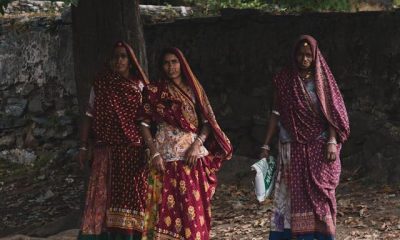


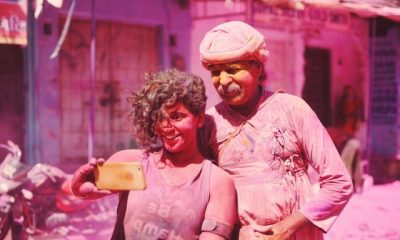
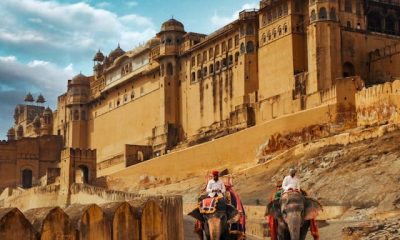
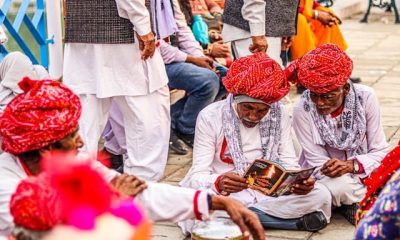
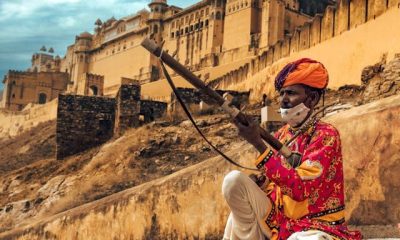
Overview of Royal Rajasthan Tour Packages in India
Introduction
Experience India beyond the usual.
This 18-day journey takes you through North India’s most iconic destinations — from Delhi and the Taj Mahal to the royal cities of Rajasthan — while also exploring lesser-known regions that offer a deeper and more authentic perspective.
With carefully selected heritage stays, immersive cultural experiences and a comfortable pace, this tour is designed for travelers who want to understand India, not just visit it.
⸻
📍 Destinations Covered
Delhi → Agra → Jaipur → Deogarh → Udaipur → Kumbhalgarh → Ranakpur → Rawla Narlai → Jodhpur → Bikaner → Alsisar → Delhi
⸻
Stay in Heritage Hotels
One of the highlights of this journey is the opportunity to stay in restored palaces, forts and heritage residences.
Properties such as RAAS Devigarh and Deogarh Mahal offer:
- Traditional architecture
- Historic ambiance
- Modern comfort
- Personalized hospitality
These stays are not just accommodation — they are part of the experience.
What Makes This Tour Unique
- A balanced mix of iconic landmarks and hidden gems
- Slow travel approach with comfortable pacing
- Cultural immersion beyond monuments
- Small group experience
- Carefully curated heritage stays
- Local insights through experienced guides
Designed for Thoughtful Travelers
This tour is especially suited for:
- Travelers aged 50+
- Those seeking comfort without losing authenticity
- Culture-focused travelers
- First-time visitors to India who want a deeper experience
Food & Dining
Enjoy a mix of Indian and international cuisine throughout the journey.
From traditional Rajasthani meals to curated dining experiences in heritage settings, the focus is on both quality and comfort.
Comfortable Travel
All travel is arranged in private, air-conditioned vehicles with experienced drivers.
Distances are planned thoughtfully to ensure a relaxed journey with regular breaks and scenic stops.
Best Time to Travel
October to March offers the most pleasant weather for this journey.
Ready to experience India beyond the usual?
Send us a message to receive:
- Detailed day-by-day itinerary
- Available travel dates
- Pricing and inclusions
We’ll be happy to assist you personally.
MORE PACKAGES
OTHER TRAVEL PACKAGES
Frequently Asked Questions – 18 Day North India Heritage Tour
What is included in this 18-day North India heritage tour?
This tour includes accommodation in premium heritage hotels, daily breakfast, private air-conditioned transport, sightseeing as per itinerary and full on-ground assistance throughout the journey
Which destinations are covered in this North India itinerary?
The tour covers Delhi, Agra, Jaipur, Deogarh, Udaipur, Kumbhalgarh, Ranakpur, Rawla Narlai, Jodhpur, Bikaner, Alsisar and return to Delhi — offering a mix of iconic landmarks and lesser-explored regions.
3. What type of hotels are included in this tour?
You will stay in a curated selection of heritage hotels and boutique properties such as RAAS Devigarh, Deogarh Mahal and similar historic residences. These properties combine traditional architecture with modern comfort.
4. Is this India tour suitable for senior travelers?
Yes, this tour is ideal for travelers around 55–70 years of age. The itinerary is designed at a comfortable pace, with manageable travel times, rest breaks and personalized support throughout.
5. How physically demanding is this tour?
The tour involves light to moderate walking, including visits to forts and heritage sites with some steps. The pace is flexible and can be adjusted according to the group’s comfort.
6. What is the best time to visit North India?
The best time for this tour is between October and March, when the weather is pleasant for sightseeing and travel.
7. What kind of cultural experiences are included?
Beyond monuments, the tour includes village visits, local markets, artisan interactions, heritage walks and opportunities to experience everyday life in India.
8. What kind of food is available during the tour?
The tour offers a mix of Indian and international cuisine. Meals are selected to balance authenticity with comfort and dietary requirements can be accommodated.
9. Is it safe to travel in India?
Yes, India is generally safe for travelers. With an experienced team, trusted accommodations and organized logistics, you can travel comfortably and securely.
10. How long are the driving distances between destinations?
Most travel days range between 3 to 5 hours, with scenic stops and breaks included to ensure a relaxed journey.
11. Are the tour groups small or large?
We specialize in small group tours to ensure a more personal, flexible and immersive experience.
12. Can this itinerary be customized?
Yes, the itinerary can be tailored based on your interests, pace and preferences.
13. How can I book this North India heritage tour?
You can contact us directly via email or message to receive the full itinerary, available dates and booking details.
Why Choose This Rajasthan Tour Package
Rajasthan offers a perfect blend of history, culture, and elegance — and this tour captures it all. Our rajasthan tour and travel packages go beyond sightseeing; they connect you with local life, traditions and royal stories that shaped this incredible region.
With comfortable transport, experienced guides, and well-planned itineraries, our rajasthan tour packages india deliver a stress-free and memorable experience. Whether you’re exploring forts or sailing across Udaipur’s lakes, every moment feels crafted just for you.
Plan Your Dream Rajasthan Tour
Your royal journey starts here. Explore majestic palaces, golden deserts, and India’s most celebrated landmarks with our tailored rajasthan tour and travel packages.